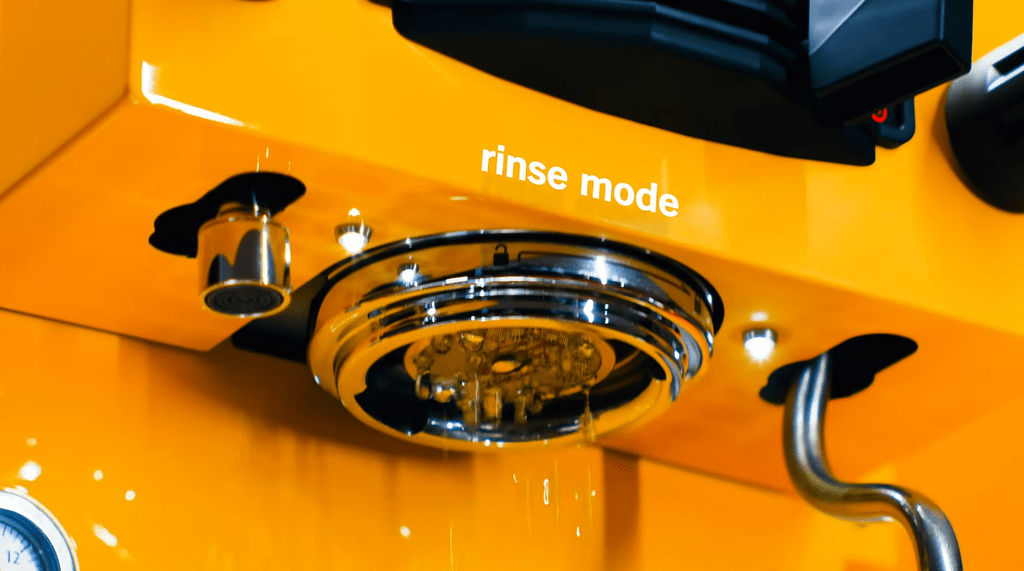

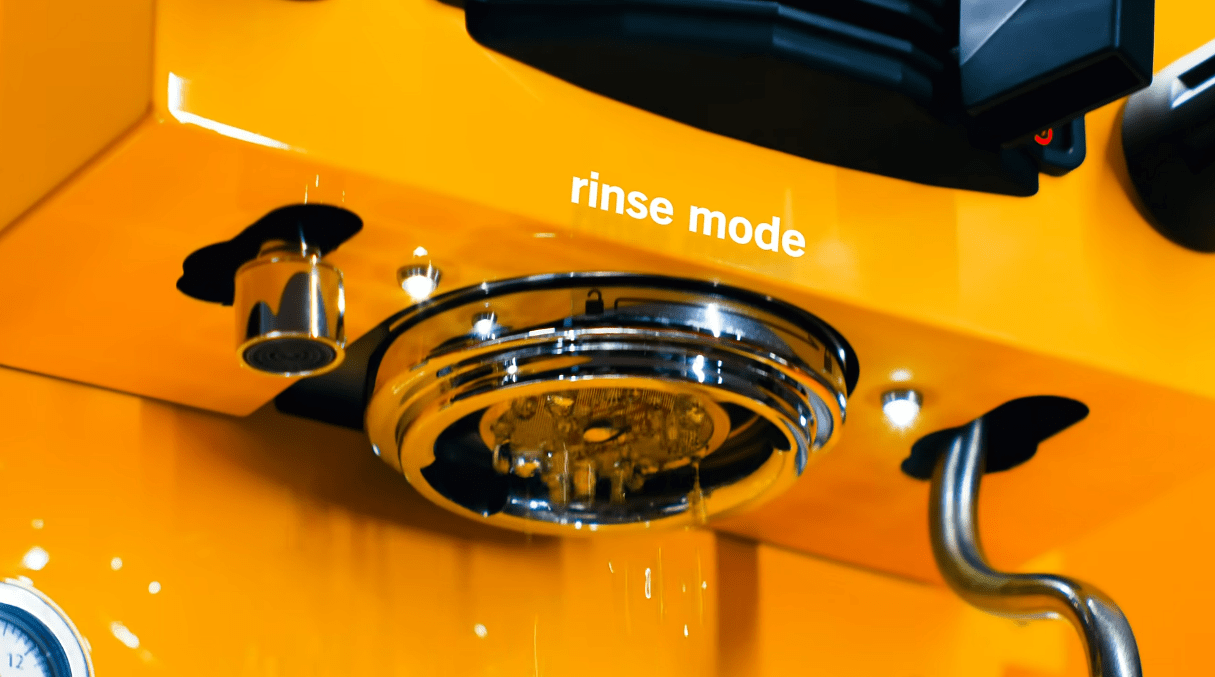
On a Saturday morning in the suburbs, there is a certain kind of quiet that settles over the kitchen. The kids are sound asleep. Outside, the street is quiet. A shiny Italian espresso machine that costs about the same as a used car is sitting somewhere on the counter, next to the fruit bowl and the KitchenAid mixer. It’s not a Nespresso. It’s not a Breville. To La Marzocco.
Things weren’t always this way. La Marzocco has been around for almost one hundred years and has mostly been used by professionals. Giuseppe and Bruno Bambi started the company in Florence in 1927. For many years, they made machines for coffee shops, not kitchens. Their big step forward came in 1939, when they designed a horizontal boiler that let multiple baristas make shots at the same time. This was the kind of quiet, no-fuss engineering that changed how cafes worked. La Marzoccos were only seen in specialty coffee shops for many years. If you saw one, you were probably in Portland or Melbourne, paying six dollars for a drink that someone made with pride.
Something changed when the pandemic happened.
A certain type of person—the kind who had strong opinions about water temperature and extraction yield—lost their morning ritual when cafes closed in 2020. Money that used to be spent on things like lattes, trips, and restaurant meals started building up in bank accounts. It turned into an office, a gym, and a safe place. That moment may have been better for the La Marzocco Linea Mini than for any other appliance. It’s a smaller version of the machines that have been behind café counters for decades. It went into a market that was almost ready for it by accident.
But the company did face a real problem. It’s not easy for engineers to make a commercial machine smaller without taking away what made it valuable in the first place. Dual boilers, PID temperature control, and saturated brew groups are all features that you can’t just take away and hope the customer doesn’t notice. La Marzocco was able to make the technology smaller without hurting it, making machines that fit under normal cabinets but still work like they would in a serious café. The newer Linea Micra took this even further by making it a bit smaller and easier to get into. It was made for enthusiastic daily drinkers rather than hard-core prosumers.
The question of how something looks is also important and shouldn’t be ignored. The machines now come in a variety of colors, like soft greens, warm creams, and deep blacks. They are made to look good on a counter. Kitchen from the 1960s? That has a finish. Minimalist Scandinavian style? The same. What used to be a stainless steel workhorse for industry is now a real work of art. They were posted on Instagram. Ceramic mugs and linen napkins are shown next to them in the picture. The brand seems to know that for this buyer, the machine is also a statement, and they make that clear to them.
Depending on your point of view, the community that grew up around this obsession is either great or a little crazy. Tens of thousands of people participate in online forums just for home espresso. They argue about grinder burr geometry and shot timing down to the decimal point and post pictures of their setups with the same level of care that is usually only seen in travel photos. “This machine will pay for itself compared to Starbucks” is a common reason, but it doesn’t work when you add up the $700 grinder, the specialty roaster subscription, and all the other parts that build up over months. It doesn’t seem to bother anyone.
La Marzocco has turned a morning routine into a serious hobby, even though they have never called it that. It seems like for many buyers, the machine is less about caffeine and more about craft. They want to have something in their daily life that rewards attention, gets better as you learn it, and connects them to an Italian making tradition that goes back to their grandparents. Each person can decide for themselves if that’s worth $4,000 or not. But it looks like more and more people are doing it every year.
Piero Bambi once said that the workshop in Florence was more like “Renaissance craftsmen” than modern factories. Now, that workshop makes things for a market it didn’t make but has come to define. It’s still not clear if this home espresso moment is a long-lasting change in culture or just a wave of enthusiasm during the pandemic that will pass. But when you’re in someone’s kitchen and see steam rising from a machine that costs more than most people pay for rent every month, you get the sense that people’s ideas about what’s important have changed.