

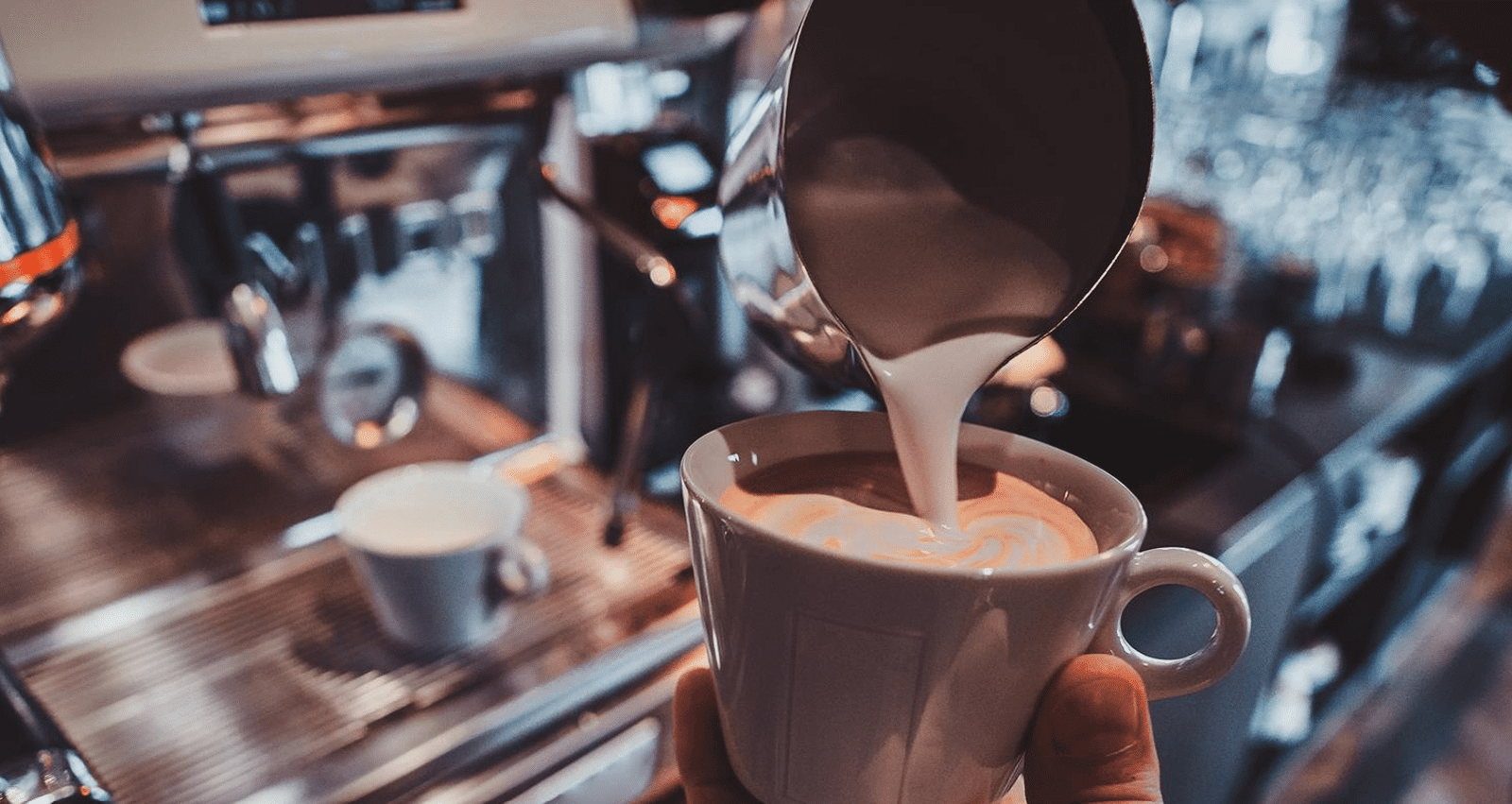
There is usually little conversation overlap between the espresso enthusiasts and the intermittent fasting crowd. While the other group is standing at a kitchen counter at 6:47 in the morning, pulling a double shot into a small ceramic cup without giving molecular biology a second thought, the first group is meticulously counting their eating windows. However, something strikingly similar might be occurring in both situations at the cellular level.
Sirtuins are the proteins at the heart of this tale. Although there are a number of varieties, SIRT1 and SIRT3 have garnered the most attention from researchers, primarily due to their involvement in what scientists loosely refer to as the body’s stress response to nutrient deprivation. Your cells’ available energy decreases when you fast. NAD+ concentrations change. AMPK is turned on. In response to these signals, sirtuins initiate a process known as autophagy, which is essentially a cellular cleanup in which worn-out organelles and damaged proteins are broken down and recycled. Although it’s not glamorous, there is strong evidence that this process is important for long-term metabolic health. Fasting activates SIRT1 and SIRT3, which help move cells toward a less proliferative, more stress-resistant state, according to research published in a peer-reviewed oncology journal. The metabolic picture is becoming more apparent, but the cancer implications are still being worked out.
Black espresso seems to nudge some of these same pathways, which is less evident but actually surprising when you look closely. Although it plays a part, caffeine isn’t the exact mechanism. It’s the polyphenols, especially chlorogenic acids, that mimic calorie restriction in a way. They appear to produce a similar signal at the cellular level, activating SIRT1 and suppressing mTOR, the growth pathway that typically keeps autophagy turned off. However, they do not withhold food in the same manner as fasting. Participants’ serum concentrations of SIRT1 protein were found to be significantly elevated by moderate coffee consumption, according to a study published in an MDPI journal. The cup itself might be doing more than just waking you up.
Topic Data Table
| Aspect | Details |
|---|---|
| Key Proteins Involved | SIRT1 and SIRT3 (sirtuin family enzymes) |
| What Sirtuins Do | Regulate cellular metabolic homeostasis; involved in insulin response, antioxidant defense, and glycolysis |
| How Fasting Activates Sirtuins | Nutrient deprivation drops cellular energy (NAD+ shifts, AMPK activates), triggering SIRT1 and SIRT3 |
| Cellular Process Triggered | Autophagy — breakdown and recycling of damaged proteins and organelles |
| How Espresso Activates Similar Pathways | Polyphenols (especially chlorogenic acids) act as caloric restriction mimics; stimulate SIRT1 and suppress mTOR |
| Role of Caffeine vs. Polyphenols | Both contribute; decaffeinated coffee also induces autophagy, confirming polyphenols act independently |
| Roast Level and Polyphenol Content | Dark roasting reduces chlorogenic acid content; lighter roasts and green beans retain more |
| Effect of Adding Milk or Sugar | Triggers insulin spike, activates mTOR, and shuts down fasting-induced sirtuin and autophagy pathways |
| Coffee and SIRT1 Study Finding | Moderate coffee consumption increased serum SIRT1 protein concentrations in study participants |
| Tissues Where Coffee-Induced Autophagy Observed | Liver, muscle, and brain tissue |
| Fasting Mimetic Research | Bioactive compounds can increase expression of FoxO1, SIRT1, and SIRT6 mRNA — genes linked to longevity |
| Combined Effect (Fasting + Black Espresso) | Potential synergistic activation of cellular cleanup pathways and mitochondrial renewal |
| Current Research Limitation | Studies are largely short-term with modest sample sizes; long-term health outcome data is limited |
The decaf question is another issue that is sometimes disregarded. Studies have demonstrated that decaffeinated coffee can cause autophagy in brain, muscle, and liver tissue, indicating that espresso’s biological activity goes beyond just the stimulant. In a way, the steam has its own chemistry. Darker roasts lose some of their polyphenol content during processing, but enough remains to produce quantifiable effects. It’s unsettling to consider that the morning coffee ritual might be taking part in the same biological dialog as a well-managed fast.
What’s interesting is the combination. According to studies on fasting mimetics, some bioactive substances can mimic the effects of calorie restriction by activating the expression of the FoxO1, SIRT1, and SIRT6 genes. If the cup remains black, adding espresso to an already-fasting window won’t negate anything. The subsequent insulin spike effectively blocks those pathways when milk or sugar are added. With the first stir of the spoon, autophagy slows, the mTOR pathway reactivates, and any synergy that had previously existed vanishes. For a biological system, it is strangely binary.
It’s difficult to ignore the fact that the wellness community has mostly overlooked this molecular story in favor of framing fasting and espresso as distinct lifestyle categories with different regulations. They actually share more chemistry than most people realize, at least according to what the research currently indicates. It’s still unclear if consuming black espresso during a fasting window significantly prolongs the cellular advantages of the fast in a way that shows up in long-term health outcomes. The majority of the studies are brief. Frequently, the sample sizes are small. However, the evidence’s direction is consistent enough to be taken seriously.
