
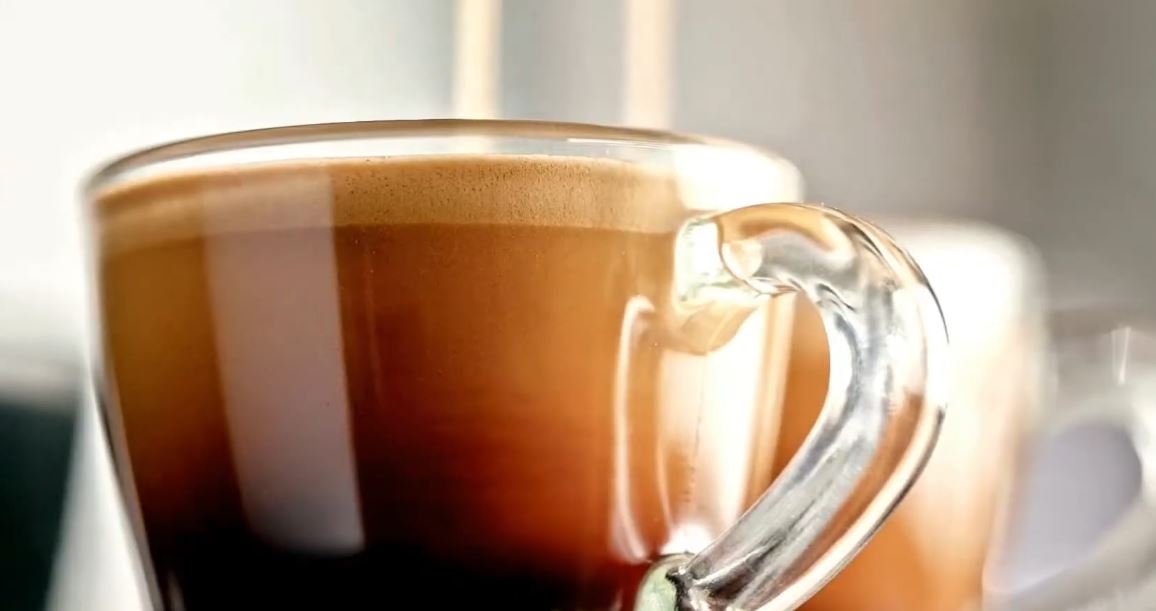
Nowadays, if you walk into practically any coffee shop, someone will eventually tell you that blonde roast contains more caffeine than dark roast, usually in the assured tone of someone sharing insider knowledge. It’s a barista sometimes. Sometimes it’s that friend who, over the course of a long winter, developed a strong interest in pour-overs. And really? They’re not wholly incorrect. However, they are also not totally correct.
In summary, blonde roast coffee, also known as light roast, tends to have a little bit more caffeine in your cup than dark roast, but only when you’re measuring by volume, which is precisely how most people brew their morning coffee at home. The lighter bean wins, scoop for scoop. The explanation is more related to physics than chemistry.
Longer roasting times cause coffee beans to swell. The bean swells, becomes less dense, and loses water weight due to internal heat and pressure. Compared to a blonde roast bean that originated from the same seed, a dark roast bean is physically bigger and lighter. Therefore, compared to a puffed-up dark roast bean, you can fit more mass and, consequently, more caffeine-bearing material into a tablespoon filled with blonde roast grounds. Though slight, the difference is genuine.
The situation is complicated by the fact that some coffee shops, Starbucks being the most prominent example, use a slightly smaller scoop especially for blonde roast, which essentially negates this brew-level caffeine advantage. Therefore, regardless of the roast you select, you may receive nearly the same amount of caffeine if you order brewed coffee at a chain that has already taken this into account.
However, the math changes once more when it comes to espresso. A typical darker roast shot contains about 75 milligrams of caffeine, while a single blonde espresso shot contains about 85 milligrams. The denser blonde beans carry their caffeine advantage all the way to your cup because the machine doses by weight rather than volume.
The persistent misconception that a stronger, darker, bitter-tasting cup must contain more caffeine is another issue that needs to be addressed. It’s a reasonable assumption. In terms of intensity, roastiness, and sometimes even harshness, dark roast has a stronger flavor.
However, that flavor is not caused by increased caffeine but rather by caramelization and the breakdown of sugars and oils during roasting. If anything, a small portion of the original green bean’s caffeine is burned off during the lengthy roasting process. The notion that darkness equals potency is more about taste perception than biochemistry, but it’s not a significant difference—caffeine is actually remarkably stable under heat.
The brewing technique, the amount of coffee you use, the grind size, and the water contact time—rather than just the roast level—are what actually determine how much caffeine you consume. Most hot coffees are out-caffeinated by a cold brew made with any roast. No matter what color the bean was when it came out of the roaster, a double shot of anything will knock you sideways more quickly than a weak single-origin pour-over.
It’s important to remember that the kind of bean also matters. Arabica beans are used to make the majority of specialty coffee, such as the blonde roasts at your neighborhood third-wave cafe. Robusta beans can have almost twice as much caffeine as Arabica beans, which are used in many commodity espresso blends and instant coffees. Therefore, a lovely single-origin Ethiopian blonde roast that costs four times as much per bag could be easily out-caffeinated by a cheap dark roast espresso made with Robusta.
In coffee circles, the question of blonde roast caffeine has become somewhat of a minor cultural flashpoint, the kind of thing that people who are awake enough to care debate on Reddit threads. And it makes sense to be interested in it. Even if these variations are small, they are significant for anyone attempting to control caffeine consumption for reasons related to anxiety, sleep, or health. Over a week of daily lattes, a 10-milligram difference per espresso shot adds up.
In the end, blonde will typically give you a small advantage at home if you’re selecting a roast solely based on its caffeine content. However, if you’re making your decision based on taste, aroma, and the actual experience of drinking the beverage, that’s a whole other discussion that’s worth having over a great cup.
