
French Press with Pre-Ground Coffee
Add 2 rounded tablespoons of standard pre-ground coffee into the empty press carafe for every 6 oz (180 ml) cup of water.
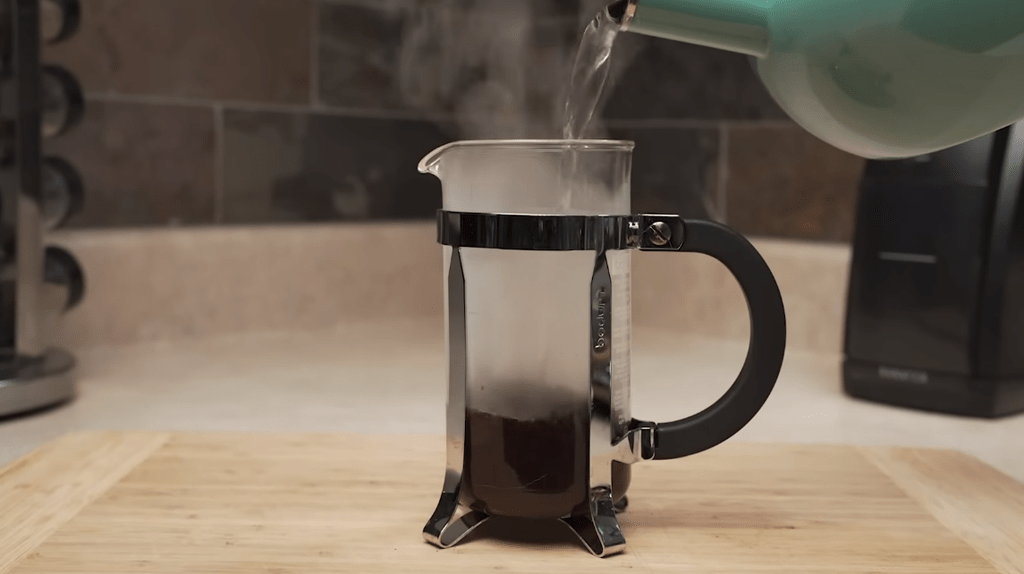
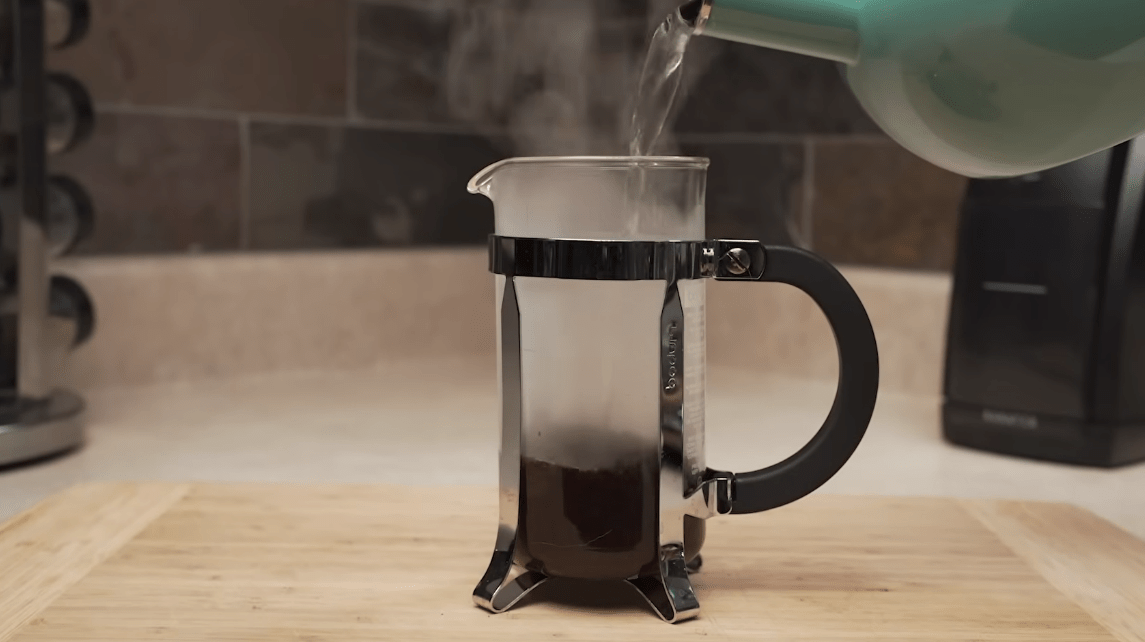
Boil water and wait 30–45s to hit ~200°F. Pour just enough water to wet the grounds completely. Let it bloom for 30 seconds to release trapped CO₂.
Pour the remaining hot water to your target volume. Give it one gentle stir with a spoon to submerge floating grounds (avoid vigorous stirring to prevent silt).
Place the lid on with the plunger pulled up. Steep for 3.5 minutes max. (Standard coarse grind takes 4–5m, but finer pre-ground extracts faster and will turn bitter if steeped too long).
Press the plunger down very slowly and gently. Pour directly into your mug immediately—leaving it in the press causes over-extraction and bitter sludge.
A time that most people who drink coffee know all too well. You woke up early and the kitchen was quiet. Someone gave you a French press as a gift, or you chose one because it looked classy on the shelf. You then realize that all you have is ground coffee from the grocery store. From what you’ve read online, that’s a mistake just waiting to happen. It’s not really, which is good news. Using pre-ground coffee in a French press can make something really good to drink, even if it’s not exactly right.
One thing to keep in mind is that most of the time, pre-ground coffee sold in supermarkets is made for drip machines. In other words, it’s not as coarse as what a French press should have, which is more like sea salt. It extracts faster, pulls more bitterness into the cup, and lets more sediment through the metal filter when the grind is finer. In no way are those things bad. They’re just saying that you need to brew a little differently than what most four-minute guides say. It’s just the grind. Time, temperature, and how you handle the pour are the only things you can really change.
Start with water that’s almost boiling. After boiling, letting it sit for 30 to 45 seconds brings it to about 200°F, which is the right temperature for extraction without burning the grounds. Add your pre-ground coffee to the dry press. A good starting point is two tablespoons of coffee for every six ounces of water, but this is a matter of taste and should be changed. Fill the bowl with just enough hot water to cover the grounds. Wait for about 30 seconds. Another name for this step is “blooming.” It lets gasses that are trapped escape and gives the coffee a chance to open up before the rest of the water is added. A small thing that makes a big difference in how it tastes in the end.
Add the last bit of water and stir it in slowly. Then put the lid on top and pull up the plunger, but don’t press it yet. If you buy pre-ground coffee instead of coarse coffee, you only need to steep it for three to three and a half minutes instead of four. That’s because the smaller particles extract more quickly. If you leave them in hot water for too long, your cup will taste bitter instead of sweet. Press the plunger down slowly and steadily when the time is up. When you rush it, more sediment tends to rise to the top of the brew. Pour right away into your mug. And things go wrong when the coffee stays in the press for too long. It keeps extracting for every extra minute.
People often ask about sediment, so it’s important to answer it directly. The truth is that some people don’t mind it. The easiest way to fix a dirty cup is to let the coffee sit for a minute or two after pressing it before pouring it. This will give the fine particles time to settle at the bottom. Some people who make beer at home have even tried putting a small paper filter inside the press before plunging. This seems to catch more of the fines. The way it works is strange, but it does. It makes the mouthfeel a little different—less oily and more like drip—but for people who value clarity over richness, it’s a fair trade.
It’s important to know that not all pre-ground coffee is the same in this case. Stay away from anything that says “espresso” on it. The grind is too fine, and it will quickly clog the filter and over-extract the coffee. It can be medium or medium-coarse. In most cases, it’s fine if the bag lets you choose between drip and pour-over. Most guides don’t stress how important it is to use fresh coffee; coffee that has been open for weeks will taste flat, no matter how well you brew it. It’s worth the extra money to get sealed bags with a roast date on them.
If you have the time and space, buying a simple burr grinder and whole beans might seem like a good idea. People usually change their minds pretty quickly just by smelling the difference. But that choice will be made later. For now, a French press with pre-ground coffee that is brewed carefully and at the right time makes a fine morning cup.