

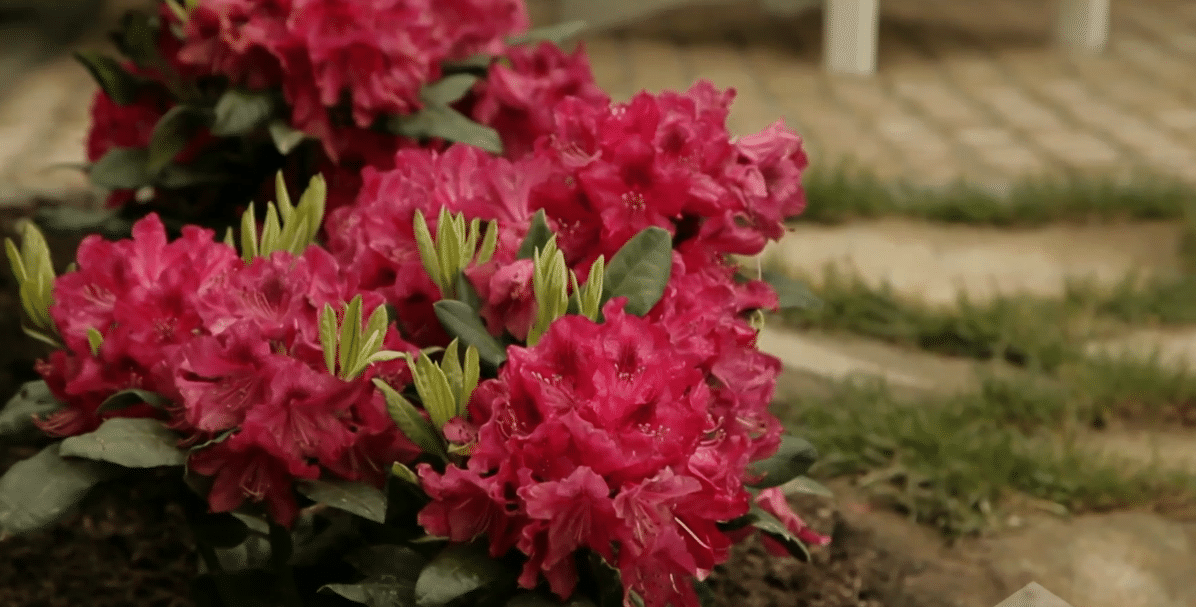
Walk through certain neighborhoods in early spring and the azaleas seem to be competing with each other. Pink, white, and magenta blooms crowd the front yards, and some gardeners will tell you their secret is sitting in a small jar beside the coffee machine. Fill it with used grounds, dump it around the shrubs, repeat. So, do azaleas like coffee grounds? The honest answer is somewhere between yes and not quite.
| Topic | Details |
|---|---|
| Short answer | Azaleas can tolerate coffee grounds in small amounts, but the benefit is smaller than commonly claimed |
| Preferred soil pH for azaleas | 6.5 or lower, roughly 4.5 to 6.0 is ideal |
| pH of brewed used grounds | About 6.5 to 6.8, close to neutral |
| Acidifying effect | Minimal to nonexistent once grounds decompose in soil |
| Fresh (unbrewed) grounds | Hold more acidity but also more caffeine |
| Main benefit | Adds nitrogen and organic matter as microbes break grounds down |
| How it works | Slow soil amendment, not an instant fertilizer |
| Maximum amount | About one inch around the base, out to the drip line |
| How to apply | Dry the grounds, spread thinly, and work lightly into the top layer of soil |
| Before adding more | Let the previous grounds decompose completely |
| Risk: crusting | Thick or wet layers can form a barrier that blocks water and air |
| Risk: excess moisture | Soil that stays too wet can lead to root rot and fungal problems |
| Risk: caffeine | Possible stunted growth, though the amount that causes harm is unclear |
| Benefit: pests | Some evidence that the smell deters certain animals |
| Compost use | Coffee grounds count as a “green”; balance about 1 part greens to 3 parts browns by volume |
| Composting extras | Paper filters can go in too; keep compost moist like a wrung-out sponge and turn it regularly |
| Better option for high pH soil | Sulfur-based or aluminum sulfate soil acidifier, applied by label directions |
| Other natural option | Add about an inch of compost in spring or fall |
| First step | Test soil pH with a kit before amending |
| Related plants | Rhododendrons, hydrangeas, blueberries, camellias |
The popular reasoning goes like this. Azaleas love acidic soil, ideally with a pH of about 6.5 or lower, and coffee tastes acidic, so grounds must push the soil in the right direction. It sounds tidy. It also seems to be only partly true.
Horticulturist Leslie Halleck points out that brewed grounds end up close to neutral, somewhere around 6.5 to 6.8 on the pH scale. As they break down in the soil, whatever acidity remains fades further. Her view is that the soil-acidifying effect is small to almost nonexistent. That’s a bit deflating for anyone who has been scooping grounds around their shrubs for years, hoping to tilt the chemistry.
Fresh, unbrewed grounds are a different matter. They hold more of their original acidity, though they also carry more caffeine, and some gardeners worry that caffeine can stunt plant growth. Nobody seems to know exactly how much is too much. There isn’t much solid research on it, since this is mostly a backyard habit rather than a lab subject. It’s still unclear whether the risk is real at the amounts home gardeners use, but it’s reason enough for caution.
What used grounds do offer is nitrogen and organic matter. The catch is timing. Nitrogen isn’t released instantly; microbes have to break the grounds down first. Think of them as a slow soil amendment, similar to compost, rather than a fertilizer that greens up a plant in a week.
Then there’s the physical side. Pile grounds on top of the soil and they can pack into a crust, a kind of dense skin that sheds water instead of absorbing it. Azaleas have shallow roots, so they notice. Grounds that hold too much moisture can also invite root rot and fungal trouble, which is a harsh trade for a plant you were trying to help.
Some gardeners have clearly had good results. One Reddit poster in the Washington, D.C., area credited two years of mulch and used grounds for a thick bank of blooms, and the photo was convincing. But azaleas thrive in that region anyway, so it’s hard to know how much credit the coffee deserves.
If you want to use grounds, moderation seems to be the sensible rule. Keep it to about an inch at most, spread out to the drip line rather than heaped against the stems, and work it lightly into the top layer of soil. Let one batch break down fully before adding another. Dry them first, too, because wet grounds clump.
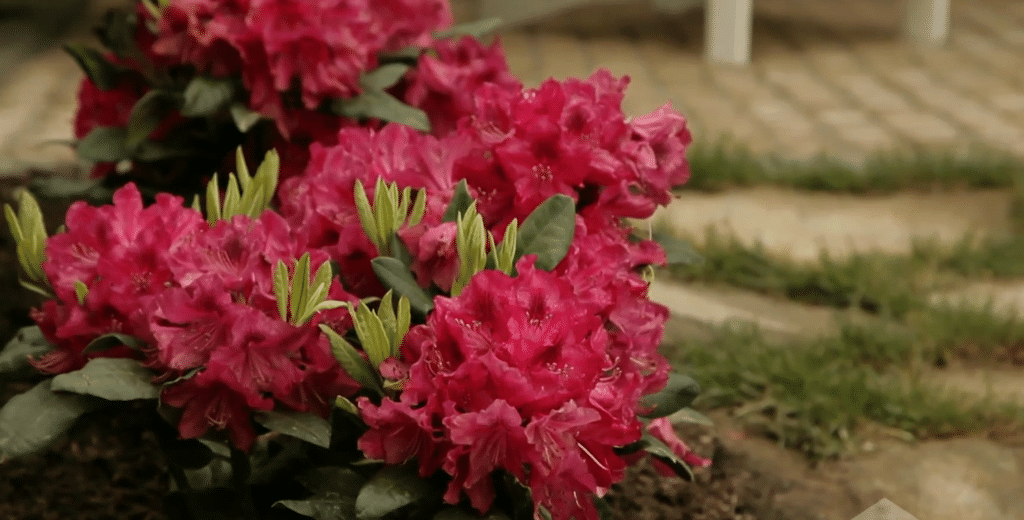
The better home for most of that jar, honestly, is the compost bin. Grounds count as a “green” because of their nitrogen, even though they look brown. Balance them with dry leaves or shredded paper, and the finished compost feeds azaleas gently and adds a little acidity over time.
Anyone whose soil is truly alkaline needs something sturdier. A simple pH test kit costs a few dollars and removes the guesswork. If the number comes back at 7 or above, a sulfur-based soil acidifier is the more dependable fix, applied according to the label.
There’s a feeling that coffee grounds have become a garden reflex, something people do because it feels thrifty and kind to the planet. Fair enough. Just don’t expect a miracle from the jar by the machine
