
Close Menu
Diamond EspressoDiamond Espresso
  • Home
  • Privacy Policy
  • Terms of Service
  • Disclaimer
  • About
  • Contact
  • Menu
  • News
  • Coffee
What's Hot

Sirtuins and Steam: The Surprising Molecular Overlap Between Fasting and Espresso

October 27, 2026

The Micro-Clot Mystery: How Dark Roast Espresso Interacts with Arterial Stiffness

October 27, 2026

Why James Hoffmann Believes the Home Espresso Market Has Reached Its Breaking Point

October 27, 2026

Which organ is most affected by coffee?

October 27, 2026

Where Can I Buy Red Diamond Coffee? Here’s Everything You Need to Know

October 27, 2026
Facebook Instagram
Subscribe
Diamond EspressoDiamond Espresso
Facebook Instagram
  • Home
  • Privacy Policy
  • Terms of Service
  • Disclaimer
  • About
  • Contact
  • Menu
  • News
  • Coffee
Diamond EspressoDiamond Espresso
Home » Are Coffee Grounds Good for Citrus Trees — Or Are You Actually Hurting Them?
Coffee

Are Coffee Grounds Good for Citrus Trees — Or Are You Actually Hurting Them?

Pedro FreemanBy Pedro FreemanSeptember 15, 2026No Comments4 Mins Read0 Views
Share Facebook Twitter Pinterest LinkedIn Tumblr Email WhatsApp Copy Link
Follow Us
Google News Flipboard Threads
Are coffee grounds good for citrus trees
Share
Facebook Twitter LinkedIn Pinterest Email Copy Link

Every morning, a small ritual takes place in millions of kitchens: the coffee maker completes its cycle, the grounds are scooped out, and they are carelessly thrown in the trash. It’s the kind of thing that most people never consider. However, citrus growers—lemon, lime, orange, even the tiny Meyer lemon perched on a sunny patio—have begun to wonder if something that is typically thrown away might be better placed in the ground.

In a nutshell, citrus trees can benefit from coffee grounds. However, most enthusiastic gardeners ignore a few crucial disclaimers in the longer response.

The nitrogen content of spent coffee grounds is about 2%, which is not a significant amount but builds up over time. Additionally, they have lower concentrations of copper, magnesium, potassium, and phosphorus. These nutrients release gradually when incorporated into the soil, functioning more like a subdued background addition than a striking fertilizer spike.

That type of consistent, low-level enrichment works well for citrus trees, which are typically fairly ravenous feeders during the growing season. Additionally, citrus trees prefer soil that is slightly acidic (between 6.0 and 7.0), and coffee grounds can push the local soil chemistry in that direction. This makes it easier for roots to absorb iron, which is necessary for citrus trees to maintain their deep, healthy green leaves.

Although less discussed, the texture advantages are actually helpful. In sandy soils that drain too quickly, the organic matter in decomposed grounds improves water retention; in heavy clay, it facilitates drainage. This may be the reason why some gardeners report noticeably improved outcomes without fully understanding what changed.

The pest angle is another, and it seems almost too convenient to be true. Slugs and snails, which will stealthily tear leaves overnight and leave gardeners perplexed in the morning, do seem to be discouraged by the potent scent of coffee. It’s not entirely clear if the smell or traces of caffeine deter them, but the practical observation is consistent across enough gardens to be taken seriously.

Nevertheless, using coffee grounds too enthusiastically is the most frequent error rather than not using them at all. When fresh grounds are dumped directly around the base of a citrus tree, they can create a dense crust on the soil’s surface that prevents water from penetrating and creates a damp, airless environment that is conducive to the growth of mold and the struggle of beneficial soil microbes. It’s like taking a good idea three steps too far in the gardening world.
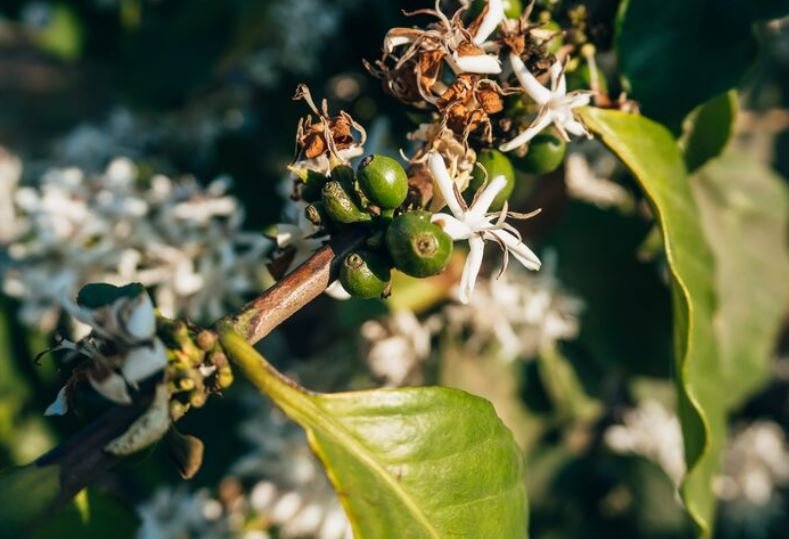
Are coffee grounds good for citrus trees

Composting the grounds first is a more dependable method. They decompose over several months and lose the raw edge that makes fresh application hazardous when mixed into a compost pile as a green material balanced with brown organic matter like dry leaves, straw, or bark chips. The result of composting is more balanced, kinder, and easier for the soil ecosystem to absorb without being shocked. A very thin sprinkle, no more than a quarter to half an inch, raked lightly into the topsoil around the tree’s drip line is about the safe limit if someone wants to apply grounds directly without composting. Experienced growers consistently advise keeping grounds away from the trunk, and this advice is worthwhile.

One thing to be aware of is that used, spent grounds are not the same as fresh, unspent grounds. Fresh grounds have a much higher concentration of caffeine, and at significant doses, caffeine can actually hinder rather than promote plant growth. The used grounds that remain after brewing should be saved. The useful residue is what’s left over after they’ve completed their task in the cup.

The idea that a daily habit that most people consider completely consumptive can feed back into something living has a subtle satisfying quality. A tiny loop worth closing is a lemon tree that is absorbing nutrients from the espresso from last Tuesday. Coffee grounds deserve a spot in the garden if they are applied carefully, spread thin when not in use, kept away from the trunk, and never piled high in a wet mass.

citrus trees coffee grounds
Share. Facebook Twitter Pinterest LinkedIn Tumblr Email WhatsApp Copy Link
Pedro Freeman
  • Website

Pedro Freeman is a Long Beach-based coffee aficionado, café owner, and writer whose life quite literally runs on caffeine. A self-confessed coffee devotee, Pedro firmly believes there's no surviving a day without a great cup — and with a full-time café to his name, he's made sure he never has to find out otherwise. Pedro is a coffee expert who has worked behind the counter for years and has a deep passion for both the art and science of coffee. He can taste everything from perfectly brewed hot espresso to creative cold coffee drinks and specialty drinks. The coffee shop he runs is more than just a business. Each cup of coffee there has a story to tell. Pedro uses the same energy and skill when he's not making the perfect drink to write. As Chief Editor at diamondespresso.com, he leads the editorial team with the same care and attention to detail that he brings to his café. They create content that teaches, inspires, and thrills coffee lovers of all levels, from those who are just starting out to those who are experts.

Related Posts

Coffee

Sirtuins and Steam: The Surprising Molecular Overlap Between Fasting and Espresso

October 27, 2026
Coffee

The Micro-Clot Mystery: How Dark Roast Espresso Interacts with Arterial Stiffness

October 27, 2026
Coffee

Why James Hoffmann Believes the Home Espresso Market Has Reached Its Breaking Point

October 27, 2026
All

Which organ is most affected by coffee?

October 27, 2026
Coffee

Where Can I Buy Red Diamond Coffee? Here’s Everything You Need to Know

October 27, 2026
All

Who Owns Diamond Brew Coffee? The Journalist Who Quit Reporting to Disrupt Instant Coffee

October 26, 2026
Add A Comment

Comments are closed.

Don't Miss

Sirtuins and Steam: The Surprising Molecular Overlap Between Fasting and Espresso

By Pedro FreemanOctober 27, 20260

There is usually little conversation overlap between the espresso enthusiasts and the intermittent fasting crowd.…

The Micro-Clot Mystery: How Dark Roast Espresso Interacts with Arterial Stiffness

October 27, 2026

Why James Hoffmann Believes the Home Espresso Market Has Reached Its Breaking Point

October 27, 2026

Which organ is most affected by coffee?

October 27, 2026

Where Can I Buy Red Diamond Coffee? Here’s Everything You Need to Know

October 27, 2026
About Us
About Us

At Diamond Espresso, every espresso shot is a labor of love. Discover how our baristas dial in the grind, temperature, and pressure to pull the most balanced, flavorful shot you've ever tasted — right here in Long Beach, WA.

Facebook Instagram
Our Picks

Sirtuins and Steam: The Surprising Molecular Overlap Between Fasting and Espresso

October 27, 2026

The Micro-Clot Mystery: How Dark Roast Espresso Interacts with Arterial Stiffness

October 27, 2026

Why James Hoffmann Believes the Home Espresso Market Has Reached Its Breaking Point

October 27, 2026
Most Popular

Deli Espresso DTC: The Tiny Cafe That Office Workers in Greenwood Village Can’t Stop Visiting

September 10, 20263 Views

Can You Put Chia Seeds in Coffee? The Answer Is Yes — But There’s a Catch

September 10, 20261 Views

The Milan Method Meets Modern Chemistry: Why Italian Espresso Labs Are Rethinking the 9-Bar Standard

September 10, 20260 Views

Harvard Researchers Track 20,000 Brain Scans to Settle the Coffee and Intelligence Debate

September 10, 20261 Views

Is Chia Seeds in Coffee Healthy — or Just a Wellness Trend That Sounds Better Than It Tastes?

September 12, 202611 Views
© 2026 ThemeSphere. Designed by ThemeSphere.
  • Home
  • Privacy Policy
  • Terms of Service
  • Disclaimer
  • About
  • Contact
  • All
  • Menu
  • Trending
  • News
  • Coffee

Type above and press Enter to search. Press Esc to cancel.

You're halfway through ✦

Enjoying the read?

Share it with someone who'd love it too.

✓

Thank you for Sharing!

Continue reading — we write important stories with in-depth research.