

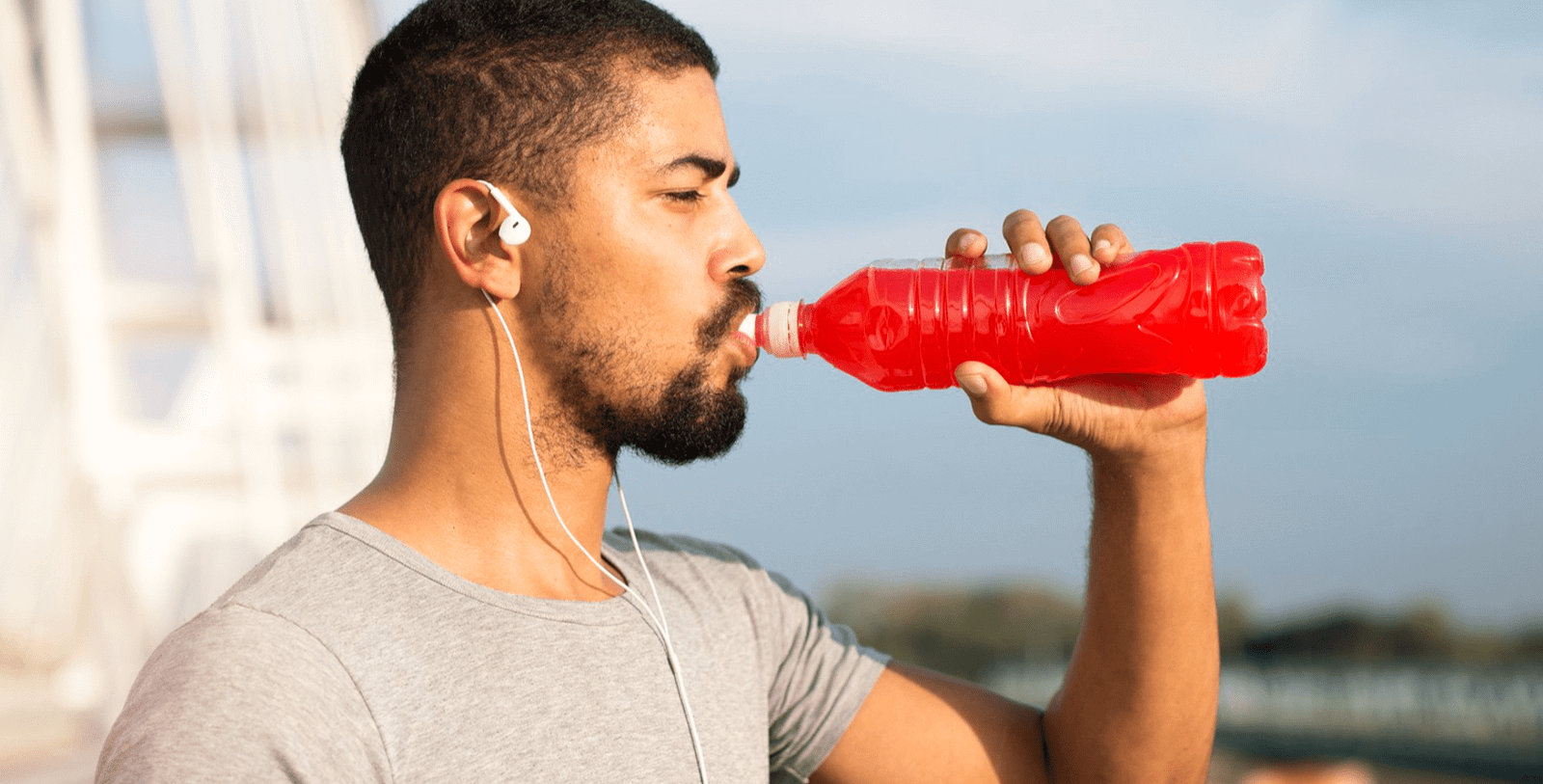
On any weekday morning, you can see the change if you walk through the PATH, Toronto’s underground network of walkways that runs under the Financial District’s glass skyscrapers. It’s still possible to find the grab-and-go fridges that used to hold rows of neon cans, but the section has quietly shrunk. What has grown is the line at the espresso bar. It’s two shots of coffee that have been poured cold over ice and are strong enough to be real caffeine, not the kind that comes in a 473ml can with a brand name based on a comic book character.
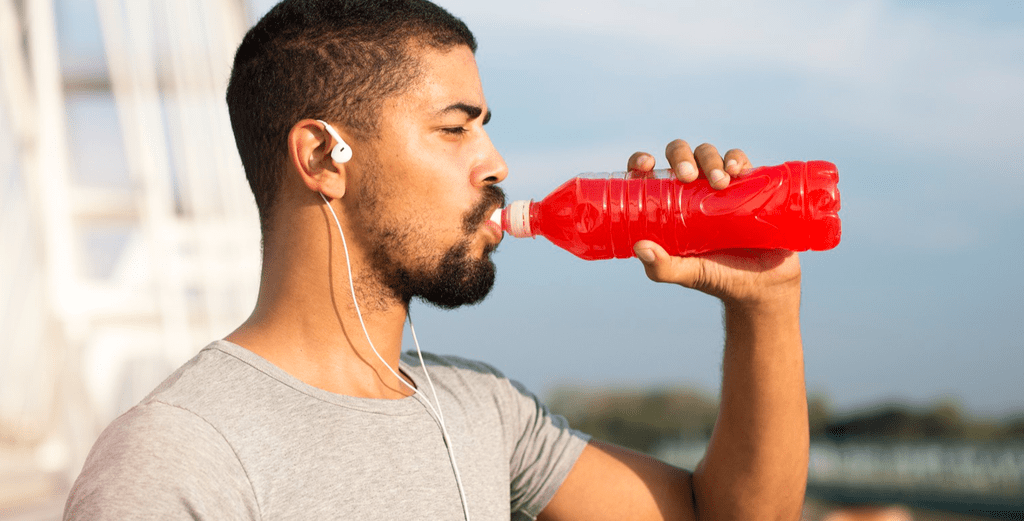
It took time for the change to happen. A wave of federal recalls that started in the middle of 2023 and went through early 2024 pushed it along pretty significantly. The Canadian Food Inspection Agency (CFIA) warned 47 products from more than 40 brands, including Monster, Prime, Red Bull, Bang, Celsius, and dozens of others, for not following rules about caffeine content and labeling. Canada limits the amount of caffeine in a single serving of energy drinks to 180 milligrams, requires labels to be written in both English and French, and requires specific warnings for people who are more likely to be vulnerable. A lot of the goods sold in Canadian stores, including many that were imported or bought online, didn’t meet those standards. The message from the government was clear: don’t use, serve, return, or throw away.
For most office workers, a recall is just a small problem. If your 7:45 a.m. routine includes getting a certain can from a store in the lobby, it’s a real bothersome. It was especially shocking to a professional class that tracks risks for a living when they heard that their energy drink had too much caffeine. It’s funny that a Bay Street analyst drinks their morning drink with regulatory compliance risk while they spend the rest of the day managing it everyplace else.
The gap was well filled by cold espresso. For years, specialty coffee has been building a lot of infrastructure in downtown Toronto. There are not only stand-alone cafés, but also counters built into the PATH so that commuters can place their orders without having to get off the train in January. If you pull a strong shot of high-yield cold espresso and serve it over ice or with a little water added, it gives you a clean caffeine hit—usually between 60 and 120 milligrams per shot, depending on the roast and extraction—without the added sugar, colors, or long list of ingredients that you need to take a moment to read. It really does taste like coffee, since it is coffee. The fact that it’s simple has become something of a selling point.
There is also a status aspect to this that needs to be made clear. Energy drinks left their mark on culture in part because of their aggressive marketing to young people, gamers, extreme sports fans, and people who are restless in a performative way. Cold espresso from a specialty roaster makes you think of craft, restraint, and discernment. When you work in a field where how people see you is important and everyone is watched by clients and coworkers, the way what you wear to a morning meeting looks is connected to the choice you make. It’s possible that this dynamic is emphasized too much. But it’s also hard to completely ignore.
The Globe and Mail wrote about the bigger cold drink boom in Canadian fast food and café chains in 2024. They said that younger consumers’ changing tastes and the influence of social media were to blame. That’s how the Financial District is, but it has its own twist. These people aren’t customers who choose based on what’s popular on TikTok. They’re making them because of changes in regulations, the need for a reliable product, and people’s growing desire for caffeine without having to worry about what else is in the can.
It’s still not clear if this change will last or if the energy drink category will re-adjust—making changes to meet Canadian standards, regaining retail presence, and winning back the commuter market. Through groups like the Canadian Beverage Association, the industry has said that the extra ingredients in energy drinks are safe as long as they are drunk in the right way. From a scientific point of view, that case may make sense. But it doesn’t fully fix the trust problem that arises when 47 items are taken off the shelves at once.
At the moment, on a Tuesday morning in the area below First Canadian Place, the espresso machine is the one who sets the rules.
| Detail | Information |
|---|---|
| Topic | Shift from energy drinks to cold espresso in Toronto’s Financial District |
| Location | Toronto Financial District (Bay Street / PATH underground network) |
| Key Trigger | 2023–2024 Canadian federal recall of 47 energy drink products across 40+ brands |
| Recall Authority | Canadian Food Inspection Agency (CFIA) |
| Brands Recalled | Monster, Red Bull, Prime, Bang, Celsius, Alani Nu, G Fuel, C4, and 39+ others |
| Reason for Recalls | Caffeine content violations and bilingual labelling non-compliance |
| Canada’s Energy Drink Caffeine Limit | Maximum 180mg per single serving |
| Other Recall Requirements | Bilingual (English/French) label; required cautionary statements for vulnerable groups |
| Vulnerable Groups Warned | Children, pregnant and breastfeeding individuals, people sensitive to caffeine |
| Cold Espresso Caffeine Content | Typically 60–120mg per shot depending on roast and extraction method |
| Cold Espresso Appeal | Clean caffeine, minimal ingredients, specialty quality, professional optics |
| Coffee Infrastructure | Specialty espresso counters embedded within the PATH underground network |
| Broader Trend | Cold beverage boom in Canadian cafés and fast food chains (reported 2024) |
| Industry Response | Canadian Beverage Association maintains energy drink ingredients are safe as consumed |
| Outcome | Cold espresso has replaced energy drinks as the default caffeine source for many Financial District workers |
