

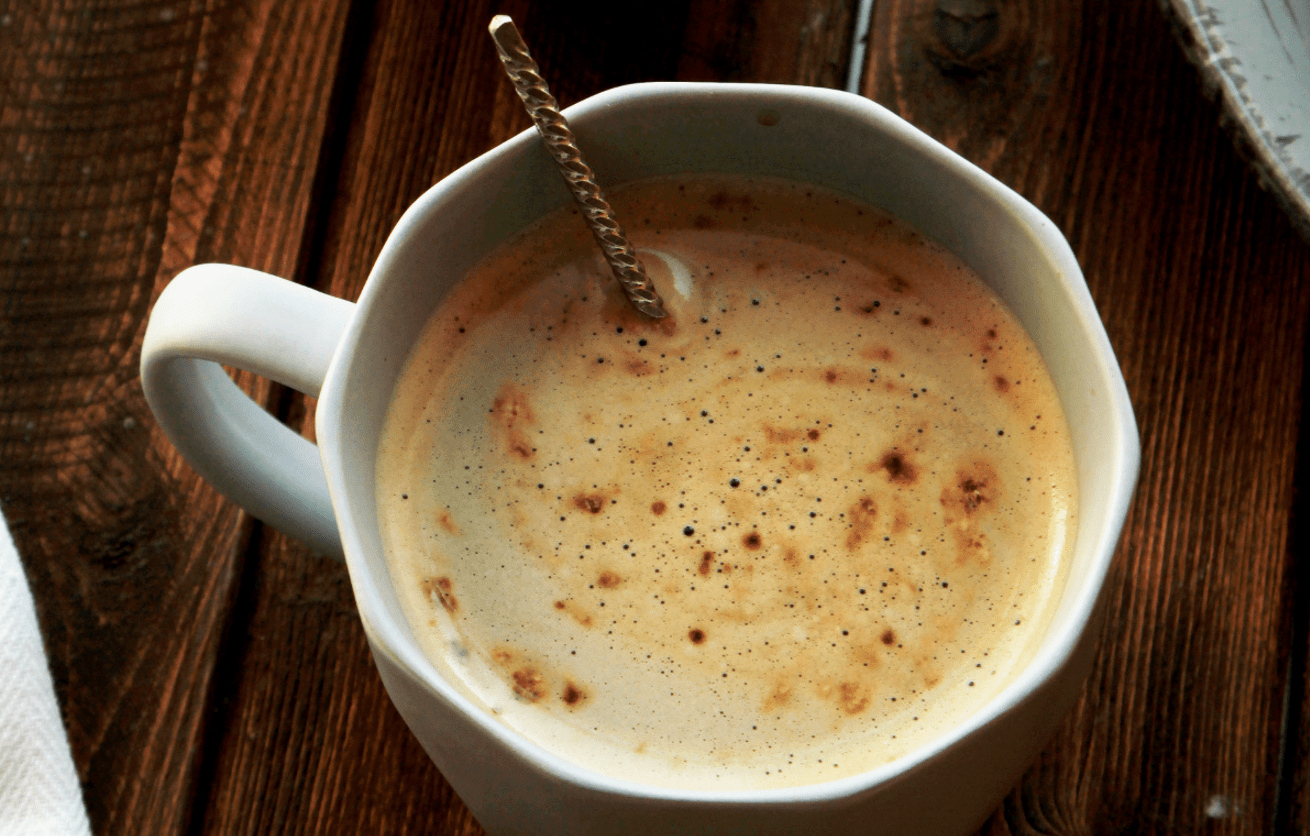
More often than not, you’ll see it on the chalkboard menu of any specialty coffee shop these days, usually between the oat milk lattes and the cold brew. Mocha with mushrooms. People are stopped by the name alone. There’s that short pause, a slight narrowing of the eyes, and then either interest or dismissal right away. You can feel both ways.
| Detail | Information |
|---|---|
| Topic | Is Mushroom Coffee Better Than Real Coffee? |
| What Is Mushroom Coffee | Coffee blended with powdered medicinal mushroom extracts, typically in a 50/50 ratio |
| Common Mushrooms Used | Lion’s Mane, Chaga, Reishi, Cordyceps, Turkey Tail |
| Caffeine – Regular Coffee | ~95–100 mg per 8 oz cup |
| Caffeine – Mushroom Coffee | ~40–60 mg per serving (roughly half) |
| Taste Difference | Mushroom coffee is smoother and slightly earthier; does not taste like mushrooms |
| Regular Coffee Health Evidence | Strong, long-term human studies; linked to reduced risk of type 2 diabetes, Parkinson’s, liver conditions, some cancers |
| Mushroom Coffee Health Evidence | Individual mushrooms show promise in lab/animal studies; no large-scale human trials on blended coffee form |
| FDA Status (2025) | FDA classified coffee as a health beverage in 2025 |
| Price Difference | Mushroom coffee typically 2–3x more expensive than regular coffee |
| Side Effects – Regular Coffee | Jitters, acid reflux, energy crashes (dose-dependent) |
| Side Effects – Mushroom Coffee | Digestive discomfort, oxalate concerns (Chaga), potential medication interactions |
| Who May Benefit from Mushroom Coffee | People sensitive to caffeine, prone to jitters, or with acid-related digestive issues |
| Who Regular Coffee Suits Better | Most healthy adults seeking proven benefits, strong flavor, and better value |
| Key Unresolved Question | Whether mushroom compounds survive drying, processing, and brewing at meaningful doses |
| Overall Verdict | Regular coffee remains better supported by evidence; mushroom coffee suits specific needs but is largely unproven in blended form |
For a few years, the drink has been slowly getting stronger, but between 2025 and 2026, something changed. It went from being a niche part of wellness culture to being sold in stores like Target, on Amazon’s best-seller lists, and in Instagram ads that seem to follow you around. Since RYZE and other brands put real money into marketing the category, the pitch has become more clear: smoother energy, better focus, fewer crashes, and functional mushrooms working in the background without being noticed. It sounds interesting. More work needs to be done to figure out if it’s true.
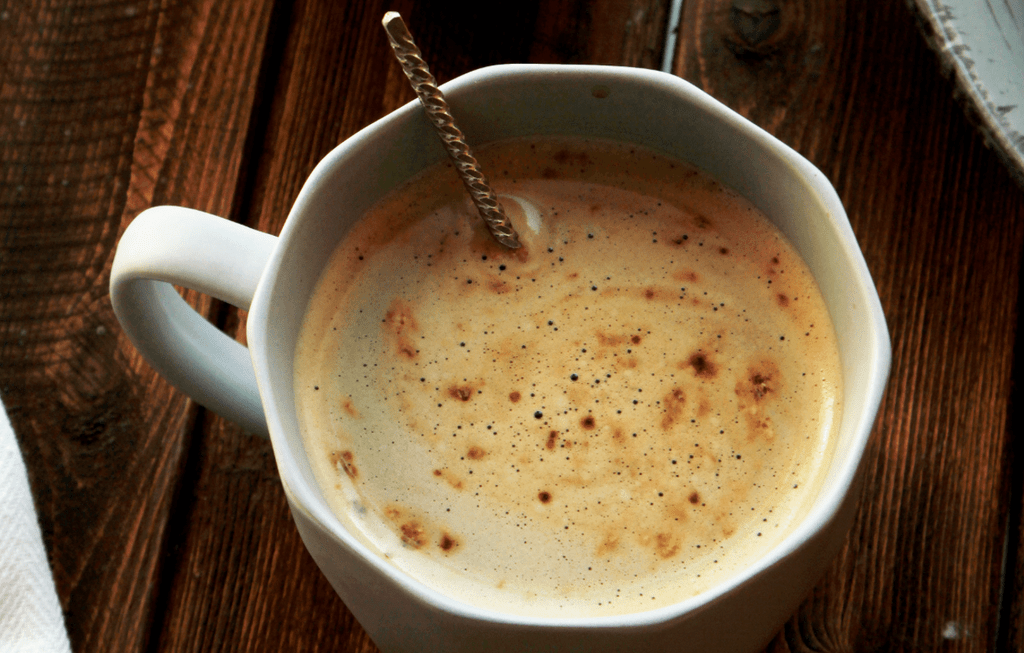
Mushroom coffee is just regular coffee mixed with powdered extracts from medicinal mushrooms. The most common ones are Lion’s Mane, Chaga, Reishi, Cordyceps, and Turkey Tail. A 50/50 split is what most brands use. It pours and brews like regular coffee, and it tastes so much like regular coffee that most people wouldn’t be able to tell the difference in a blind test. When you hear the word “umami,” most people think of a strong, earthy flavor. But the mushrooms tend to add a subtle sweetness that balances out the bitterness. That part is really good.
The health claim layer is where things get less clear. A lot of the marketing for mushroom coffee is based on what research has shown about those specific mushrooms, and some of that research is really interesting. Early research on Lion’s Mane suggests that it may help with cognitive function. Reishi has been looked at for its effects on stress and the immune system. Chaga has a very high level of antioxidants. It does, however, mostly use concentrated extracts, animal models, or controlled lab conditions. The specific question of whether those benefits are still present after being dried, ground, mixed, and brewed well enough to be noticeable at the dose in your morning coffee is still mostly unanswered. There haven’t been any large-scale tests on humans with mushroom coffee blends yet. That gap is pretty big.
Along the same lines, regular coffee is actually good for you. A moderate amount of coffee, about two to five cups a day, has been linked to a lower risk of type 2 diabetes, Parkinson’s disease, some liver diseases, and several types of cancer over many years and millions of people. Chlorogenic acids and polyphenols are two types of antioxidants found in coffee that seem to do real, measurable things in the body. In 2025, the FDA officially labeled coffee as a health drink. This made coffee drinkers feel like scientists were finally confirming what they had already thought. What about the mushroom blend next to your regular coffee? It might be better for you than the regular coffee.
There’s also the matter of caffeine to think about. There are 95 to 100 milligrams of caffeine in a regular cup of coffee. The split blend in mushroom coffee means that it usually has between 40 and 60 milligrams to it. For people whose hearts race, their anxiety rises, and they crash in the early afternoon because of regular coffee, this lower dose is a real and useful benefit. For everyone else, it’s just a boost with less caffeine. A big part of mushroom coffee’s appeal comes from the idea that it solves a problem that a lot of people don’t really have.
Cost should really be talked about. A bag of good regular coffee costs about the same as two to three times as much as a bag of mushroom coffee. That extra fee is being charged for useful advantages that haven’t been proven in the form that is being sold. That equation makes me a little uneasy, even though the different types of mushrooms being used are interesting for research purposes. Buying the hype is one thing, but paying a lot of extra money for it is something else.
Also, there are some things you should know before switching your daily cup. People who have had kidney stones in the past should be careful with chaga mushrooms because they contain a lot of oxalates. Some medicinal mushrooms might not work well with blood thinners or diabetes drugs. And because there aren’t many rules about the supplement business, quality varies a lot from one brand to the next. If you’re interested in mushroom coffee, it’s best to find brands that use two different extraction methods and put their products through third-party testing. If you’re on any regular medications, you should also talk to your doctor first.
Is mushroom coffee better than regular coffee? Most likely not in the ways that the ads suggest. It’s an alternative with less caffeine, interesting ingredients, and a research story that hasn’t quite come together yet. If you are really sensitive to caffeine or just want a smoother way to start your day, you might want to try it on its own. For everyone else, the simple cup you’ve been using for years is already better for you than the trendy one, even though the box doesn’t say it.
