

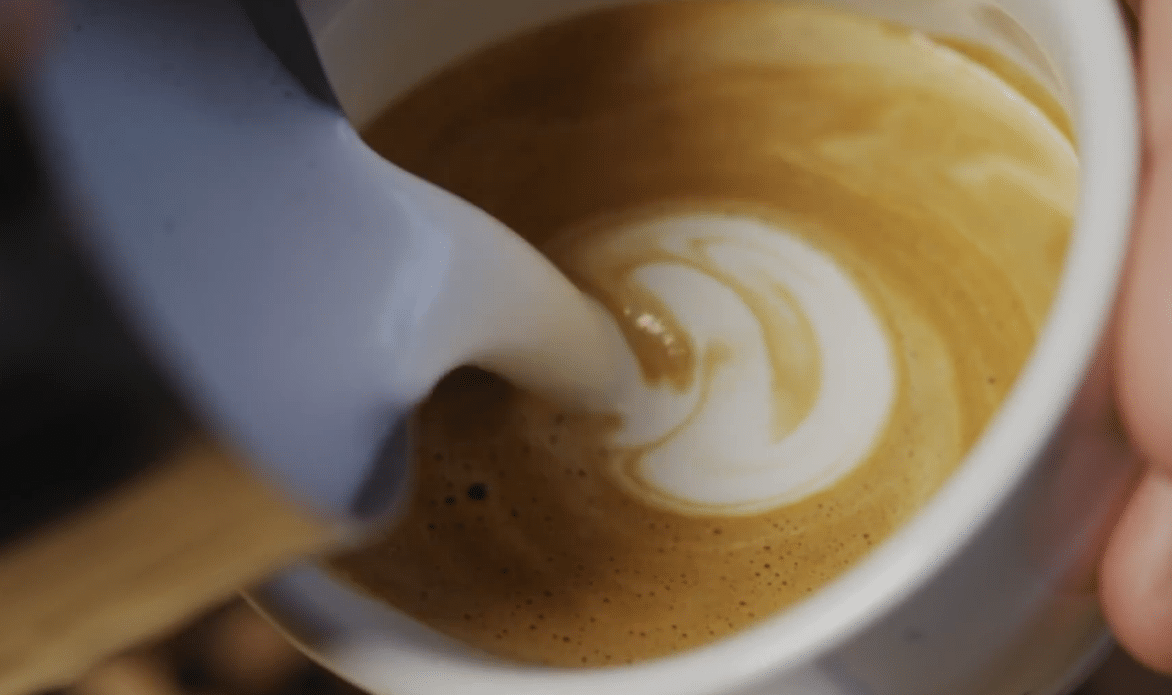
Someone is looking at a half-empty bottle of hazelnut creamer in a kitchen somewhere right now, wondering if it can be made fluffier. It’s a legitimate query. In a nutshell, you can whip coffee creamer. Simply put, don’t anticipate what you would get from a heavy cream carton.
It all boils down to fat. Air is trapped and held in place by the fat globules found in heavy whipping cream, which contains between 36 and 40 percent milk fat. The majority of store-bought creamers fall well short of that. Many lack the structure that makes whipped cream stand out because they contain little to no actual dairy.
Table
| Topic | Details |
|---|---|
| Short answer | Yes, creamer can be whipped into a light foam or cold foam, but not into stiff peaks |
| Why stiff peaks fail | Most creamers have far less fat than heavy cream and lack the dairy proteins needed for structure |
| Fat in heavy whipping cream | About 36% to 40% |
| Fat in whipping cream (general) | About 30% to 35% |
| Fat in coffee cream | About 18% to 30% |
| Typical liquid creamer ingredients | Water, corn syrup solids, vegetable oil, sodium caseinate, emulsifiers, flavoring |
| Method 1: Handheld frother | Chill creamer, froth in a tall glass for about 30 seconds for a light cold foam |
| Method 2: Whipped cream canister | Pour in creamer, add a nitrous oxide charger, shake well, dispense for a fluffy topping |
| Method 3: Powdered creamer | Mix with a little cold water or milk into a smooth concentrate, then froth |
| Ideal liquid temperature | Cold, around 35°F to 40°F (1°C to 4°C) |
| Best results from | Creamers with higher oil and protein content |
| Texture you can expect | Soft, airy foam that begins to settle within minutes |
| For firmer whipped topping | Whip real heavy cream with powdered sugar and vanilla, or blend a little heavy cream into the creamer |
| Dairy-free alternatives | Chilled coconut cream (whips well), oat milk and soy milk (froth for lattes) |
| Best uses | Iced coffee, cold brew, iced lattes, hot chocolate toppings |
| Not ideal for | Pies, cake filling, piping, or anything needing stiff peaks |
This is clear when you read a label. Water is listed first in a traditional liquid creamer, followed by vegetable oil, corn syrup solids, and a small amount of sodium caseinate, a milk protein, further down. Stabilizers and emulsifiers complete the picture. Instead of holding peaks, it is designed to remain smooth in a hot cup for weeks. These are distinct occupations.
In any case, what do you get when you whip it? A light, bubbly foam that resembles the chilled foam of a café iced latte rather than a pie dollop. That’s precisely the point for many people.
A handheld milk frother is the simplest option. Before pouring a small amount into a tall glass and letting the frother run for a good half minute, chill the creamer because cold liquid traps air better. The foam is somewhat loose and soft. It looks nice while it lasts, but it slides over the top of iced coffee and begins to sink in a matter of minutes.
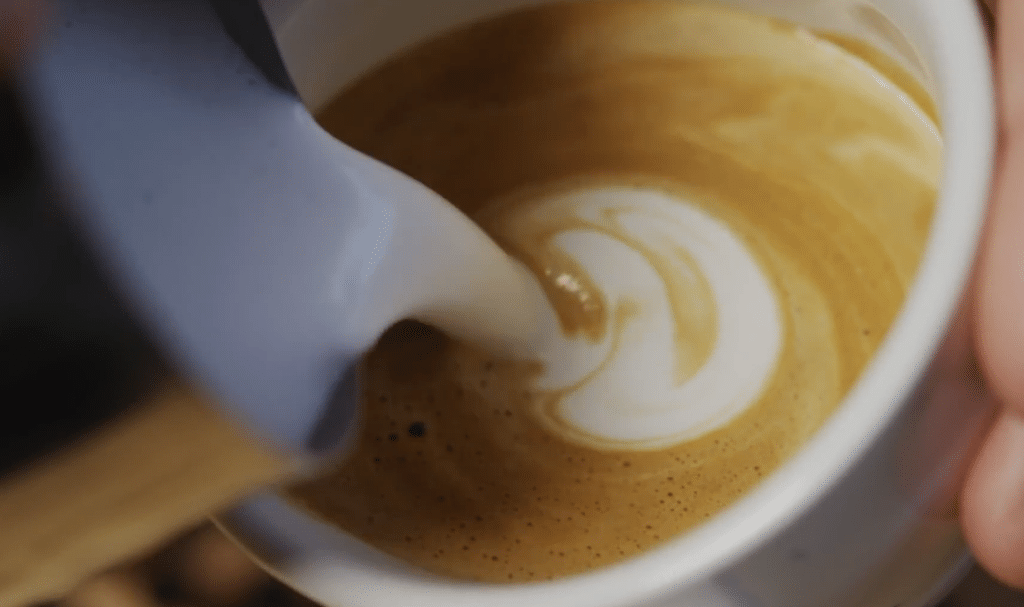
The whipped cream canister is the technique that receives the most attention on the internet. After adding the creamer, press the nozzle, shake vigorously, and screw on a nitrous oxide charger. A surprisingly fluffy swirl is produced when the gas performs the task that a whisk cannot. A brief video of this has been shared thousands of times, which is understandable. Results, however, differ by brand. It’s possible that a cheap bottle will just collapse, but creamers with more oil and protein tend to last longer than thin, watery ones.
The situation with powdered creamer is different, but not hopeless. Make a thick, smooth concentrate by stirring it with a small amount of milk or cold water, then froth it. You’ll mostly get gritty bubbles if you skip this step.
Theoretically, hand whisking is effective. Anyone who has tried it knows how long it takes for the arm to start hurting after five minutes of whisking. Even with a stand mixer, the foam won’t solidify like real cream.
Creamer isn’t the quick fix if you want stiff, spoonable whipped cream. To give the foam something to cling to, some cooks recommend blending in a small amount of real heavy cream, which makes sense. However, a spoonful of vanilla and powdered sugar in plain cream might be easier at that point because the creamer is primarily there for flavor.
Look into plant-based alternatives as well. While oat and soy drinks froth nicely for lattes and chilled coconut cream whips well on its own, none of them can achieve stiff peaks without assistance.
This trick seems to be oversold. Anyone expecting whipped creamer will be disappointed because it is not a substitute for whipped cream. However, it deserves its position as a quick, sweet, mildly flavored foam for iced coffee. You might as well give tonight’s leftover bottle another go.
