


Watching a Diamond Brew crystal pod dissolve in a cup of hot water has an almost frictionless quality. It’s finished in a matter of seconds. No waiting, no grounds to deal with, no machine noise. The allure is clear, particularly on a hectic morning when the only options are a mediocre office pot or a line at a coffee shop. However, the simplicity of the procedure may cause one to forget something fundamental: each of those tiny aluminum capsules contains about 160 milligrams of caffeine, which is about equal to a double shot of espresso, in a format that is nearly effortless to repeat.
| Detail | Information |
|---|---|
| Product | Diamond Brew — single-serve instant espresso capsules |
| Caffeine Per Pod | ~160mg (equivalent to a double shot of espresso) |
| Daily Caffeine Limit (FDA guideline) | 400mg for healthy adults |
| Two Pods = | ~320mg — 80% of the recommended daily maximum |
| Primary Side Effect Risk | Excessive caffeine intake from multiple servings |
| Anxiety & Jitteriness | Caused by adenosine receptor blockage and adrenaline release |
| Sleep Disruption | Caffeine half-life of 5–6 hours; afternoon use can affect nighttime sleep |
| Digestive Effects | May trigger acid reflux, heartburn, or increased bowel activity |
| Cardiovascular Effects | Temporary blood pressure rise and elevated heart rate at higher doses |
| Dependency Risk | Regular use builds tolerance; abrupt stopping may cause withdrawal headaches, fatigue |
| At-Risk Groups | Pregnant individuals, those with hypertension, heart conditions, GERD, anxiety disorders |
| Capsule-Specific Note | Trace furan compounds possible from high-heat processing; generally within regulated limits |
| Recommended Safe Use | One pod per day for most healthy adults; monitor total daily caffeine intake |
| Format Risk Factor | Easy, frictionless delivery can encourage overconsumption without deliberate tracking |
For a high-quality espresso product, that caffeine content isn’t out of the ordinary, and for many people, it’s totally tolerable. Context is usually where the problem arises. A person who uses two before noon or layers Diamond Brew on top of other caffeinated drinks throughout the day is in a different position than someone who takes one pod in the morning and doesn’t use anything else. Two Diamond Brew pods already cover 80% of the FDA’s recommended daily intake of 400 mg of caffeine for healthy adults, before any additional caffeine is consumed. A little attention should be paid to that math.
There is a fairly predictable pattern to the side effects that are most frequently linked to high levels of caffeine consumption. Early signs of anxiety and jitters are caused by caffeine blocking adenosine receptors in the brain, which delays fatigue but also causes the release of adrenaline. In sensitive people or at higher dosages, this combination can lead to restlessness. Another frequent complaint is sleep disturbance, especially for those who drink coffee in the afternoon. After taking a pod at 3 p.m., you might feel awake at 9 p.m. without fully appreciating the connection. About half of the 160 mg of caffeine is still in circulation at bedtime because the average adult body has a half-life of five to six hours.
It’s also important to discuss digestive sensitivity. Coffee can speed up colon activity and increase the production of gastric acid, particularly concentrated espresso-style coffee. This is real and obvious, not hypothetical, for those who suffer from GERD, acid reflux, or general stomach sensitivity. Regular coffee drinkers frequently cut back on their intake due to heartburn and indigestion, and the format of a high-caffeine instant product does not avoid that problem. The chemistry in the cup is similar, but the delivery method is different.
Although they are frequently exaggerated in casual conversation, cardiovascular effects at higher doses are also worth mentioning. Caffeine may temporarily raise blood pressure and, in certain cases, cause a discernible increase in heart rate. This is temporary and not regarded as clinically significant for the majority of healthy adults who consume alcohol within acceptable bounds. The situation is more complicated for those who already have heart problems, anxiety disorders, or hypertension, and most medical sources advise caution when using high-caffeine products in these populations.
Additionally, there is the dependency issue, which is genuinely pertinent but frequently ignored. Over time, caffeine builds true tolerance, and stopping suddenly, even for a short while, can cause withdrawal symptoms like headaches, exhaustion, irritability, and trouble focusing. These are real and indicate that the body has adjusted to anticipate a regular chemical input, even though they are usually mild and transient. Because Diamond Brew’s format is so simple—grab, dissolve, done—it’s easy to develop a daily routine without giving it much thought. That’s okay, unless you stop and find yourself reaching for something to explain why you had a headache in the afternoon.
It’s difficult to ignore the genuine cultural moment that premium instant coffee is experiencing. Diamond Brew is not alone; the market has been steadily expanding, with consumer startups and specialty roasters offering variations of the same fundamental concept: great coffee without the machine. It’s a reasonable pitch. Convenience, however, has a way of promoting consumption beyond what one might choose if they were carefully grinding beans, waiting for a brew, and pouring. The pod format eliminates friction, and when friction is eliminated from a caffeinated product, dosage decisions are made silently rather than consciously. That doesn’t mean you should stay away from it. It’s merely an excuse to listen.
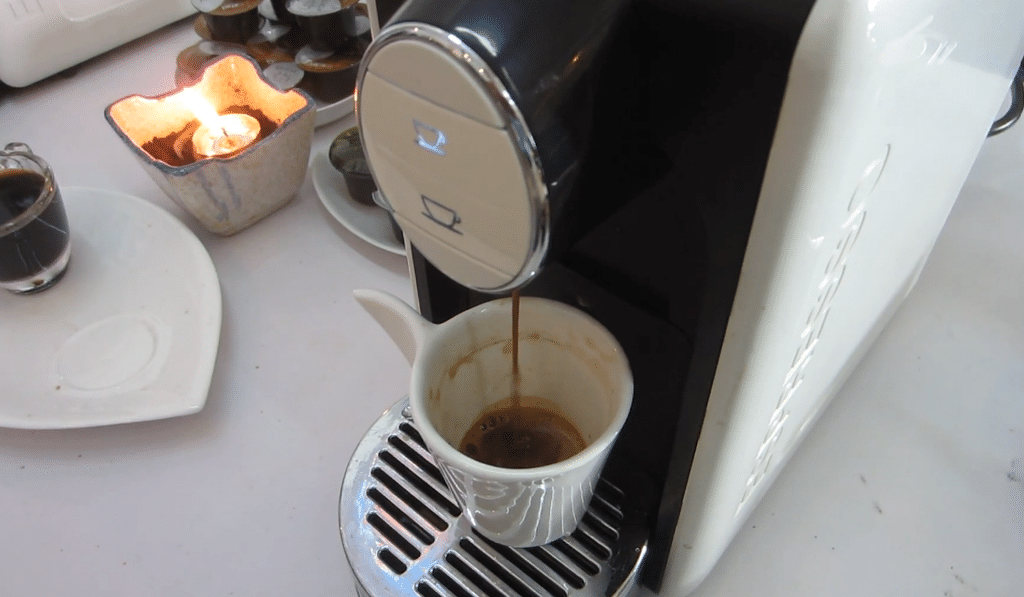
One Diamond Brew pod per day is a reasonable addition to a coffee routine for the majority of people. It becomes worthwhile to track at number two, depending on the individual and the remainder of the day. High-caffeine instant products should be handled more carefully by those who are pregnant, have anxiety disorders, heart problems, GERD, or are sensitive to caffeine. This is not because the product is particularly dangerous, but rather because 160 mg is a significant dose that dissolves in a matter of seconds.
