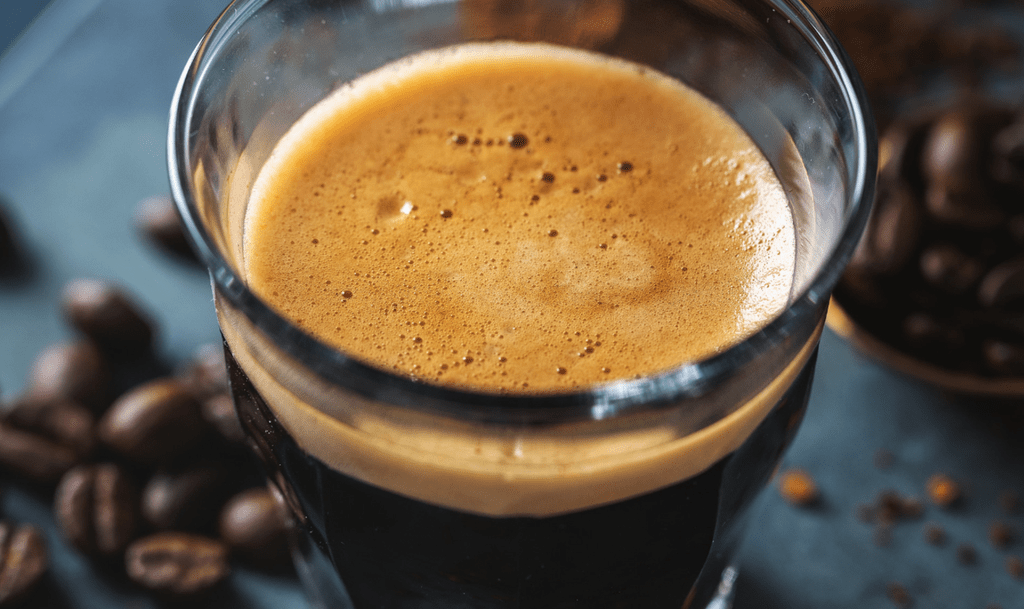

Coffee with espresso tastes almost like poetry. It’s a small, concentrated drink that tastes a little theatrical. The kind that comes in a tiny ceramic cup and goes away in two sips. For many, it’s the purest form of coffee that can be experienced. But somewhere in that dark, oily picture, something is going on that nutritionists are just now starting to figure out.
More than 21,000 Norwegians aged 40 and up took part in the long-running Troms Study, which is one of the biggest population health research programs in the world. The study was published in the journal Open Heart. Some of the results were simple, while others were more complicated. Higher levels of total cholesterol were found in people who drank three to five cups of espresso every day. Part of that wasn’t really a surprise. What researchers didn’t fully expect was the difference between men and women.
Men who drank that much had their total cholesterol go up by about 0.16 mmol/L on average. There was also an increase in women, but it was only about 0.09 mmol/L. Even though it seems small on paper, that difference is the kind of thing that makes researchers sit up straighter. One of the main people in the study, Professor Maja-Lisa Løchen of UiT The Arctic University of Norway, was honest about what they don’t know yet. “There are so far no obvious explanations to this gender difference in cholesterol response to coffee drinking,” she stated.
Because of how it’s made, espresso is even being talked about these days. When you use an espresso machine, French press, or moka pot, the water doesn’t go through a paper filter. It turns out that filter stops things like cafestol and kahweol, which are natural oily compounds called diterpenes. These chemicals get in the way of the body’s normal control of cholesterol, which slows down how quickly it breaks down and gets rid of cholesterol from the blood. That stuff goes right into the cup without the filter. Then into the person who is drinking it.
Not only that, but the men in this study drank a little more coffee than the women—nearly five cups a day compared to just under four. It is still being looked into whether that alone can explain the larger cholesterol response or whether there is also a biological factor at play. It’s possible that differences in hormones can change how diterpenes are broken down in the body. The difference in quantity might be more important than anyone thought. At this point, neither answer feels all the way right.
And this is where the paradox comes in. LDL cholesterol levels go up when you drink a lot of unfiltered coffee, which is a known risk factor for heart disease. Still, drinking coffee in moderation is linked to a lower risk of death from cardiovascular disease over the long term in dozens of studies and meta-analyses. In a bigger picture sense, the same cup that seems to raise cholesterol levels also seems to have health benefits. That contradiction has been a problem for years for people who study this subject, and it hasn’t gotten any better.
Professor Løchen was careful not to use this as an excuse to give up all coffee. “Coffee makes me so happy,” she said, and it sounds like she meant it. “That cup of coffee is so important.” But she did draw a line for some groups: switching to filtered coffee makes sense for people who already have high cholesterol or a history of heart attack. Filtered methods, like drip machines, pour-overs, and most instant coffee, get rid of the diterpenes well. This leaves the caffeine and most of the flavor but not the compounds that raise cholesterol.
The question of cup size is something that doesn’t get enough attention. There wasn’t a standard way to measure for the study. Løchen admitted that Norwegians drink espresso out of bigger cups than, say, Italians. This means that the amount of chemicals in each “cup” is not a good way to compare cultures or even people in the same study. Capsule machines, stovetop moka pots, and regular espresso machines can all make coffee with different amounts of cafestol. It’s harder to draw a clear line between safe and risky consumption because of this.
It seems like this study is looking into something that is important outside of Norway. Over the past 20 years, Espresso’s reach around the world has grown incredibly. From Seoul to São Paulo, capsule machines can be found in homes and offices. The flat white has taken over coffee menus all over the world. It’s important to know if unfiltered brewing does have a real effect on cholesterol levels, and if so, why does it affect men more than women? The full picture isn’t known yet, but that information is useful.
To start, the simple practical lesson is that if you’re a man who drinks four or five espressos every day and hasn’t checked his cholesterol in a while, you might want to. Not because all espresso is inherently harmful, but because the amount drunk, the way it’s brewed, and the person drinking it seem to matter more than most people think.