

The first sip of a cup brewed too long or made with tap water that tastes a little strange is a moment that most coffee drinkers have encountered. Something almost mineral in the back of the throat, neither bitter nor metallic. It causes you to hesitate. There are moments when you wonder if coffee and salt have more in common than you might think, but you’re not sure why.
The short answer is no; during the brewing process, coffee does not naturally produce salt. Sodium chloride is not produced from the chemical compounds in coffee by the roasting process or the hot water passing through the grounds. For decades, nutritional research has demonstrated that regular black coffee has almost zero grams of salt per cup. That quality of trace minerals you occasionally notice? Usually, the water itself is the source of it.
The component of the equation that most people ignore is water. A finished brew may have a subtle salinity or metallic note from tap water that is high in minerals or sodium. The same is true for processing techniques and soil composition, which can sometimes leave green coffee beans with minute mineral residues before they even get to a roaster. Coffee doesn’t produce any of this salt. It comes from outside the bean itself and is either salt or traces of minerals.
There is a genuine relationship between coffee and salt, but it’s not the one the question suggests, so it’s important to understand why the association even exists. People have been purposefully adding salt to coffee for a very long time, all over the world. When fresh water was in short supply,
Scandinavian fishing communities brewed with seawater and discovered that the outcome was somehow more palatable. Coffee infused with salt is associated with cultural rituals in some parts of Turkey. Salted milk foam on top of an iced Americano has become a café mainstay in Taiwan. Most Western drinkers are unaware of how long-standing and common this practice is.
The underlying taste science is what elevates this above a mere eccentric custom. By interacting with bitter taste receptors on the tongue, sodium ions effectively block part of the signal before it gets to the brain. The perception of the bitterness lessens, but the bitterness itself does not go away.
Additionally, the inherent sweetness of the bean becomes more apparent when the bitterness fades. This mechanism was validated by a 1997 study published in Nature, which demonstrated that sodium filters bitterness more selectively than sweetness. Because of this, salt can round out the flavor of a dark roast or an over-extracted cup without the need for sugar, milk, or any other kind of sweetness.
Those who frequently struggle with a bitter brew will find the practical implications particularly intriguing. The type of cup that is difficult to save is the result of over-extraction, which includes grinding coffee too finely, using water that is too hot, and leaving coffee in a French press for too long.
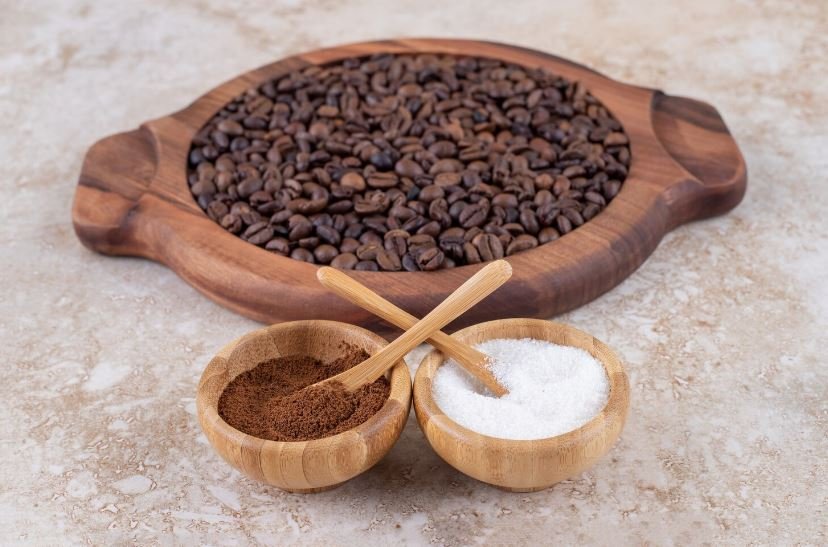
Some of the edge can be removed by adding a tiny pinch of salt to the dry grounds prior to brewing or dissolving it in the finished cup. It can improve the drinkability of an excessively aggressive cup, but it won’t save a truly ruined pot. Researchers and coffee experts recommend a dose as small as 1/16 of a teaspoon per cup, which is hardly noticeable and far below any threshold where the coffee would truly taste salty.
Naturally, there are skeptics, and their concerns are legitimate. The underlying cause of poor coffee is not addressed by salt. A little sodium fixes the symptom but not the cause of over-roasted beans, bad water, and careless brewing. The more long-lasting solutions continue to be fresh beans, better water, and careful attention to temperature and extraction time. Additionally, it is reasonable to argue that the majority of people in Western nations already consume more sodium than is advised, and even small amounts added to daily routines add to that total.
It is evident that coffee does not naturally produce salt. Beyond the occasional viral social media trend, it’s also evident that salt and coffee have a surprisingly profound and scientifically supported relationship. There is actual chemistry. The past is true. It’s up to you whether or not you grab the salt shaker, but at least you now understand what you would be doing and why it might be effective.
