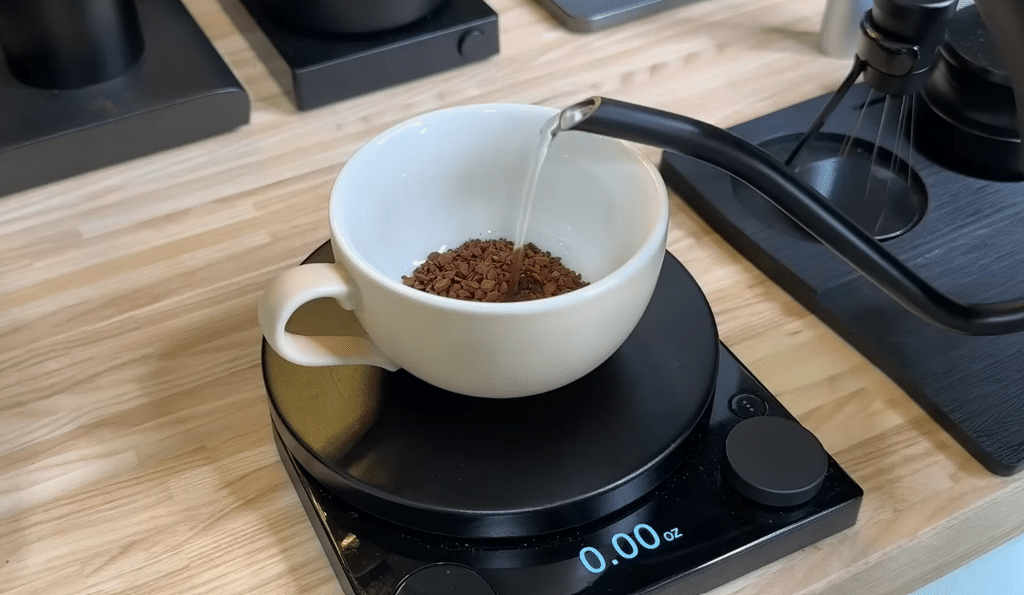

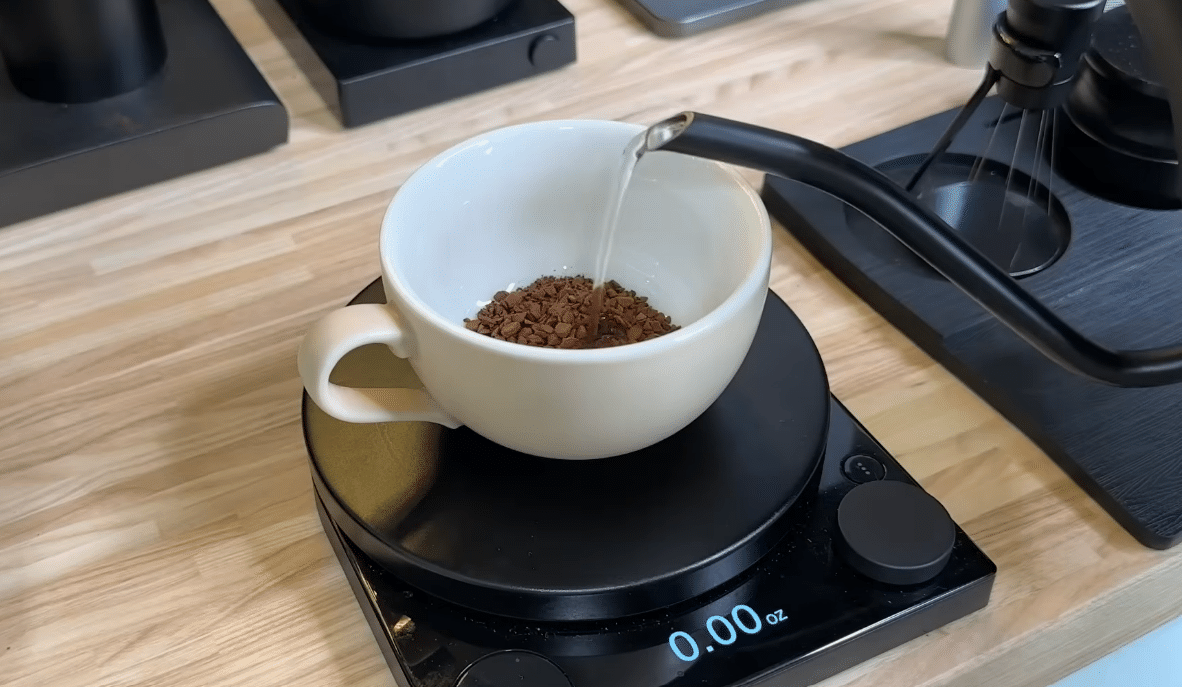
There is a reputation issue with the instant coffee section. That reputation is well known to anyone who grew up watching a certain brownish powder dissolve grudgingly in lukewarm tap water. For many years, instant coffee held a particular cultural status: it was acceptable in an emergency, but nobody acknowledged that they enjoyed it. Lately, that narrative has been more difficult to maintain, and Diamond Brew, a Chicago-based business, is partly to blame.
| Detail | Information |
|---|---|
| Company Name | Diamond Brew |
| Headquarters | Chicago, Illinois, USA |
| Founder & CEO | Douglas Yu |
| Product Type | Brewless coffee pods (instant espresso) |
| Pod Shape | Hexagonal |
| Packaging | 100% recyclable aluminum |
| Preservation Method | Proprietary flash-freezing with liquid nitrogen |
| Lab Testing | Third-party tested for mold and toxins |
| Pods Sold | 1 million+ |
| Current SKUs | Single Serve Craft Espresso, Decaf Bliss, Magic Highland Midnight Roast |
| Hero SKU Sellouts | 3 times (Single Serve Craft Espresso) |
| Funding Round | Oversubscribed pre-seed (seven figures), closed June 2026 |
| Notable Investors | G/7 Venture Studio, Filipp Chebotarev (Cambridge Companies SPG), Charlie Walk, NFL players Sean Clifford & DeAndre Hopkins |
| TikTok Live Hours (2025) | 2,000+ hours by founder |
| Sustainability | Spent coffee grounds upcycled into furniture |
| Upcoming Channel | Military (AAFES — Army and Air Force Exchange Service) |
| Dissolves In | Hot or cold water — no machine required |
Diamond Brew claims to produce the first brewless coffee pod in America. The hexagon-shaped, 100% recyclable aluminum-sealed pods hold espresso that was flash-frozen at its freshest using liquid nitrogen. You don’t need a machine. No brewing apparatus. The crystals dissolve when the contents are dropped into either hot or cold water, giving the product a machine-made flavor, according to the brand. More than a million pods sold, three distinct sellouts of the flagship Single Serve Craft Espresso SKU, and a customer base that reportedly includes people who identify as coffee snobs—not the most forgiving audience for anything with the word “instant” in the description—have all put that claim to the test.
The business announced the completion of an oversubscribed pre-seed funding round in June 2026. Among the investors were G/7 Venture Studio, music executive Charlie Walk, and a group of NFL players, including DeAndre Hopkins and Sean Clifford. Participating CPG companies included Dom Purpura, whose brand Mela was recently acquired, and others with a proven track record of building brands. The fact that the round was oversubscribed says something about the current funding climate. Unless the early traction numbers are strong enough to overcome the category skepticism, investors with consumer product experience typically don’t jump into a round for an instant coffee startup.
Douglas Yu is the founder, and his strategy for developing the brand is a little out of the ordinary. He spent more than 2,000 hours on TikTok Live in 2025 alone, not as a marketing gimmick but rather as a direct line of communication with consumers, observing their purchasing habits, queries, and hesitations in real time. At this point, it is uncommon for founders to have such a strong social media presence, which is evident in the choices they make about products. Both the Magic Highland Midnight Roast and the Decaf Bliss were created in response to direct customer feedback rather than internal roadmaps. The product line seems to be being developed from the outside in, which is either a very clever strategy or a very taxing one—possibly both.
Understanding the technical aspects of Diamond Brew’s operations is important because it clarifies why the flavor story is more credible than most claims made about instant coffee. Liquid nitrogen flash-freezing preserves volatile aromatic compounds that are normally lost during traditional spray-drying, the method used to make the majority of instant coffee. The end product is a coffee crystal that dissolves easily and retains more of the flavor of the original espresso than the category standard. For the health-conscious segment of the specialty coffee market, third-party lab testing for mold and toxins adds a layer of clean-label credibility. Additionally, the fact that used materials are being recycled into furniture is either a clever marketing ploy or a sincere commitment to zero waste—probably both—but it’s the kind of detail that appeals to a particular kind of customer.
Diamond Brew’s next step is to use the Army and Air Force Exchange Service to enter the military channel. It’s an intriguing move. Military consumers have particular requirements regarding portability, shelf stability, and ease of preparation, and once a product gains their trust, they are likely to stick with it. This channel has the potential to greatly increase volume without necessitating the type of retail shelf placement that costs money in slotting fees. Although the exact start date of that expansion is still unknown, the funds are now available to support it.
It’s difficult to ignore the fact that the instant coffee market as a whole has been going upmarket for a number of years, with companies like Sudden Coffee and Voilà creating sincere excitement before encountering their own difficulties. Diamond Brew operates in an area that has witnessed significant attempts in the past, and there are still plenty of high-end instant coffee concepts to choose from. The combination of Yu’s direct community feedback loop, the proprietary freezing process, and a funding base comprised of individuals with actual CPG exit experience appears to be unique in this case. It’s unclear if that will be sufficient to maintain a long-term category shift. However, the pods continue to sell out, so that’s a fair place to start.