
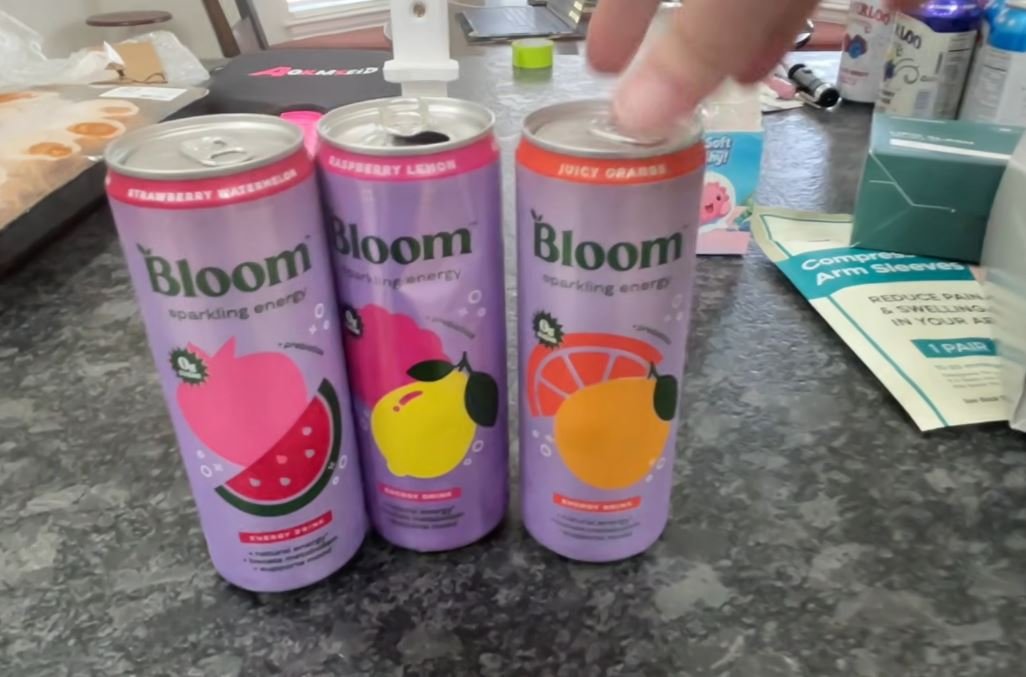
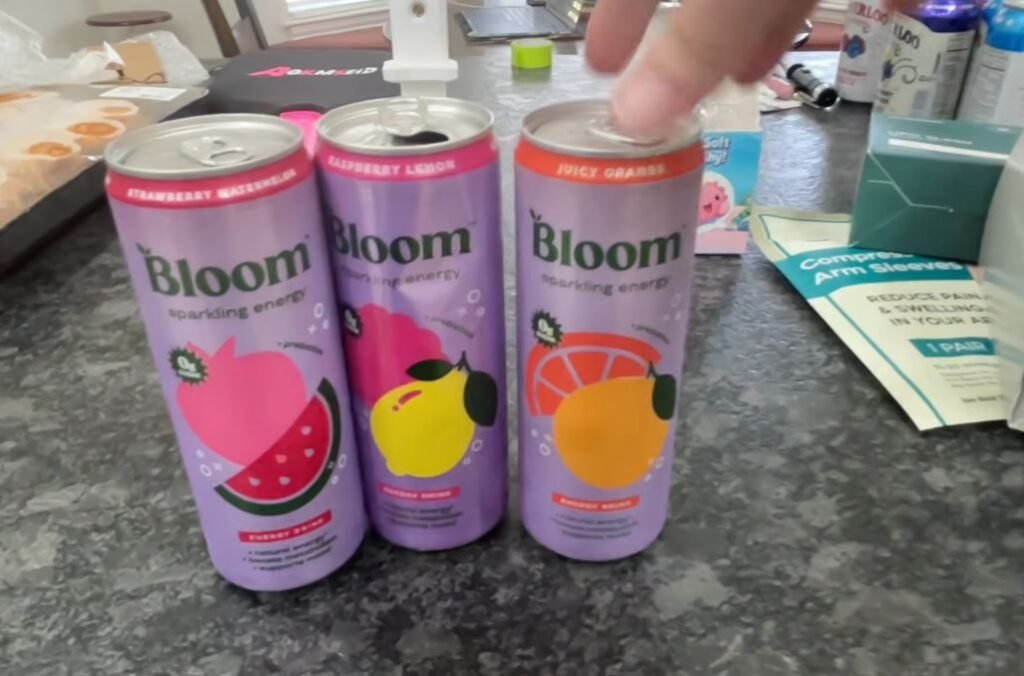
If you spend five minutes browsing fitness-related content on any major social media platform, you’ll almost certainly come across one: the slender, pastel-colored can with the floral branding, typically held by someone who appears to have just finished a morning workout. It’s easy to see why Bloom Sparkling Energy has quickly gained popularity. It appears to be wellness. It sounds like well-being. However, that can’s caffeine content merits a closer examination.
There are 180 milligrams of natural caffeine in a typical 12-ounce can of Bloom Sparkling Energy. It is important to note that, contrary to what Bloom and its supporters often stress, that figure is derived from green coffee bean extract rather than artificial caffeine. However, 180 milligrams is by no means a tiny quantity. A 16-ounce Monster weighs 160 milligrams, for comparison. There are 80 milligrams in an 8.4-ounce can of Red Bull. At home, a cup of instant coffee costs about sixty dollars. Therefore, the math doesn’t really support the idea that someone is making a lighter choice when they grab a Bloom instead of their morning coffee.
Additionally, Bloom offers a 7.5-ounce mini can with 100 milligrams of caffeine. That version would easily fit within the FDA’s commonly cited recommendation of 400 milligrams per day for healthy adults, and it makes a little more sense as a moderate afternoon pick-me-up. If you’re also drinking coffee in the morning, it’s important to keep in mind that two regular cans would bring you close to that limit of 360 milligrams.
Beyond the caffeine, Bloom’s ingredient list is where it truly stands out from more established energy drink brands. L-theanine, an amino acid present in green tea with a proven calming effect on the nervous system, is included in each can.
A growing number of nootropic and focus products have combined L-theanine with caffeine, in part because there is plausible evidence that this combination lessens the sharp edges of a caffeine spike. Prebiotic fiber, ginseng, apple cider vinegar, and a group of B vitamins are also included. The beverage is sweetened with sucralose and contains 10 calories and no sugar.
Many Bloom drinkers report not experiencing the jitteriness they would associate with a traditional energy drink, and it’s possible that the L-theanine does lessen the edge for some people. It is more difficult to determine whether that experience is consistent across various metabolisms and levels of caffeine sensitivity. No matter what else is in the can, caffeine still acts like caffeine in the body.
In 2024, Bloom Nutrition launched the sparkling energy line, entering a crowded market with a cleaner look and a target market that values high-quality ingredients. Although the product is merely a functional energy drink with a more thoughtful formulation than most, the branding is geared toward women—the phrase “bloom into your best self” is unmistakable. The fact that it comes in flavors like Peach Mango, Cherry Lime, Raspberry Lemon, and Strawberry Watermelon gives you an idea of the target market.
The mini can, an afternoon stretch, or a pre-workout choice for someone who doesn’t want artificial dyes or a 50-gram sugar bomb is one version of this drink that is actually helpful. The full 12-ounce can is a different story, particularly for those who are under 18, pregnant, or sensitive to caffeine. It can be easy to forget that 180 mg is a significant dosage rather than a gentle prod because of the wellness framing.
One Bloom per day is within a reasonable range for the majority of healthy adults. However, neither the prebiotic fiber nor the attractive can alter the fundamental math. Before you start doing it every day, it’s important to know the number.
