

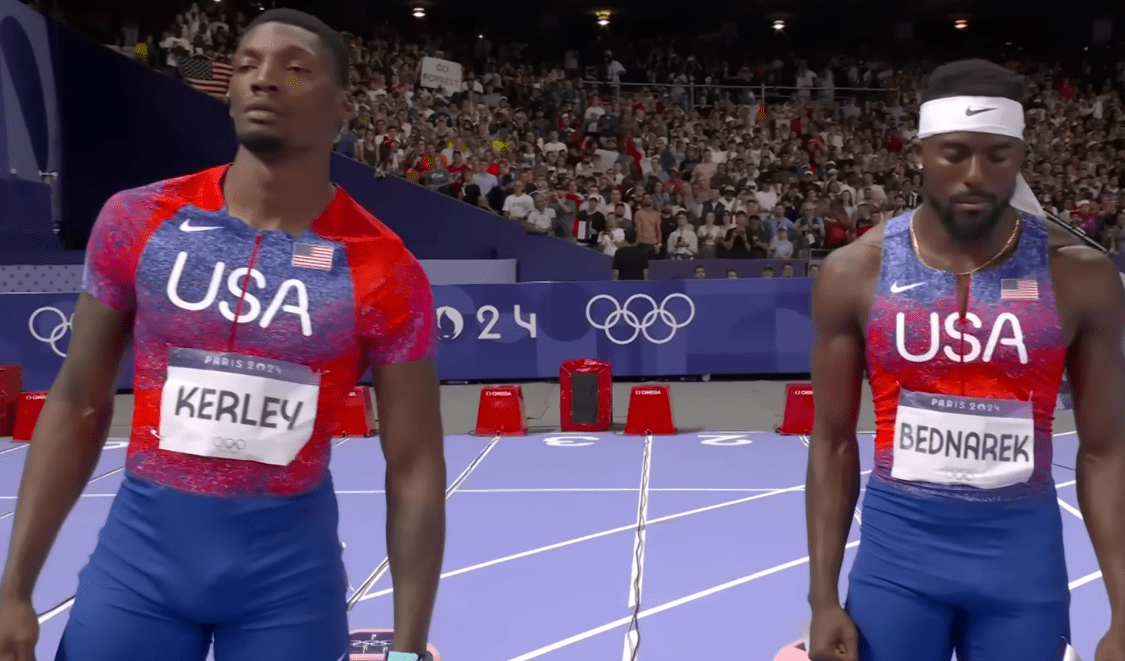
Before a big sprint final, some athletes walk around, stretch, or shake out their legs in the staging area. Other athletes do something that seems pretty normal: they drink coffee. These are some of the physically fittest people in the world, so it’s not because they need to be woken up. Instead, the cup is being held just 45 minutes before the competition on purpose. It’s been years. The ritual is based on how the body handles caffeine, and there is a lot more science to it than most people think.
Within 15 minutes of drinking coffee, caffeine starts to show up in the bloodstream because it is quickly absorbed by the digestive system. Depending on the person, it reaches its highest level in plasma between 45 and 60 minutes after being eaten. That’s where the window comes from. Elite sprinters have worked with sports scientists and performance coaches to map this pharmacokinetic curve onto their warm-up schedules in a way that is very specific, which is what competitive sports need. The goal is simple: cross the finish line when your blood contains the most caffeine, not ten or twenty minutes before or after.
The interesting part is what caffeine does at that peak. Blocking adenosine receptors in the brain is how it works. Adenosine is a neurotransmitter that builds up in the brain while you’re awake and gradually tells it it’s time to slow down. Caffeine is very similar to adenosine in shape, so it can occupy the same receptor sites. This stops the inhibitory signal from reaching its target. As a result, the rate at which neurons fire goes up, people become more alert, their reaction times get faster, and they feel less effort. That last point is very important for a sprinter. When the gun goes off, how willing the body is to push hard in the first few meters, before pain signals start to build up, can mean the difference between a personal best and a lane finish that hits you hard on the way home.
The effects on the muscles and nerves go even deeper. Caffeine increases the availability of calcium in muscle cells by activating ryanodine receptors in the sarcoplasmic reticulum. This is the part of the cell that releases calcium to cause contraction. When there is more calcium available, contractions are stronger and happen faster at any level of neural stimulation. This isn’t a small marginal gain for athletes with a lot of explosive power. Studies on 100-meter sprint performance have shown that adding caffeine to the body improves both time and explosive acceleration in the early stages of the sprint. According to the International Society of Sports Nutrition, the best amount of caffeine for most athletes is between 3 and 6 milligrams per kilogram of body weight. This amount is about the same as drinking 1-2 cups of coffee. However, anhydrous caffeine capsules seem to work better than brewed coffee because of compounds that are created during the roasting process that may lessen the effect of coffee.
Caffeine also makes your body release more dopamine and noradrenaline when you work out, which isn’t nothing. There is a lot of evidence that dopamine affects motivation, drive, and pain tolerance. This means that some of caffeine’s performance-boosting effects may be psychological rather than purely physiological. However, the difference becomes less important when the result is measurable faster. Researchers studied cyclists and found that their beta-endorphin levels nearly doubled after two hours of exercise with caffeine compared to a placebo. This suggests that the compound is actually reducing pain and not just making athletes feel like they’re working harder.
The 45-minute number is just a suggestion; it’s not a strict rule that everyone must follow. People’s metabolism of caffeine is very different because it depends on their genes, especially variations in the CYP1A2 gene, and how much they normally drink. People who drink a lot of caffeine every day may notice that the window changes a little, and the performance boost may be smaller for people whose bodies are used to taking large amounts of caffeine every day. For athletes who don’t normally use it, the ergogenic effect may be stronger, but so may the side effects, such as anxiety, a faster heart rate, stomach pain, and trouble sleeping if taken in the afternoon. Scientists who work with sprinters usually tell them not to drink caffeine after early afternoon on days of competition so they can get a good night’s sleep, which is still one of the most underrated factors in elite sports recovery.
The 45-minute window is interesting because it changes the way people think about a daily habit that most people don’t give much thought to. Other people use the same cup of coffee at the exact same time as an ergogenic aid. One person drinks it while scrolling through their phone on a Tuesday morning. There is no change in the compound. The goal, the dose, and the time all stay the same.
| Detail | Information |
|---|---|
| Topic | The 45-Minute Caffeine Window Used by Olympic Sprinters |
| What Is the 45-Minute Window | A pre-race protocol where caffeine is consumed 45–60 minutes before competition to align with peak plasma concentration |
| Time to Detect Caffeine in Blood | Caffeine appears in the bloodstream within 15 minutes of consumption |
| Peak Plasma Concentration | Reached approximately 45–60 minutes after ingestion |
| Primary Mechanism | Caffeine blocks adenosine receptors in the brain, preventing the inhibitory “slow down” signal |
| Neuromuscular Effect | Sensitizes ryanodine receptors in muscle cells, making calcium more readily available for stronger, faster contractions |
| CNS Effect | Increases neural firing rate, alertness, reaction time, and reduces perceived effort |
| Neurochemical Effect | Increases dopamine and noradrenaline release during exercise; may nearly double beta-endorphin levels |
| Effective Dose for Athletes | 3–6 mg per kilogram of body weight (per ISSN position stand) |
| Best Form for Performance | Anhydrous caffeine (capsules/tablets) shown to be more effective than brewed coffee in research |
| Caffeine Half-Life | Approximately 3–6 hours; individual variation based on genetics (CYP1A2 gene) and habitual use |
| Effect on Sprinting | Research shows faster 100m times and improved explosive acceleration in early sprint stages |
| Side Effects to Watch | Anxiety, elevated heart rate, digestive discomfort, sleep disruption if consumed too late in the day |
| Habitual vs. Non-Habitual Users | Non-habitual users may experience stronger ergogenic effects but also more pronounced side effects |
| Key Caution | Avoid caffeine in the afternoon on competition days to protect sleep quality and recovery |
