

Chia seeds became the kind of ingredient that people add to things without really understanding why, somewhere between the wellness boom of the 2010s and the current era of protein-everything breakfast drinks. A tablespoon mixed into morning coffee, a spoonful in a smoothie, or a layer under yogurt in a mason jar. The hazy notion that chia seeds are healthy and have some positive effect on your energy levels is the driving force behind the habit’s silent spread. However, most people don’t take the time to consider what precisely.
In response to the most frequently asked question, chia seeds do not contain caffeine. Not even a milligram. They are one of the few energy-adjacent foods that someone avoiding stimulants can truly rely on without hesitation because they are entirely caffeine-free. It makes sense that people would be confused, in part because chia seeds are often added to coffee, making it difficult to distinguish between what is doing what. Twenty minutes later, you feel alert after stirring them into your morning cup, and you give equal credit to both. However, the coffee was always the source of the caffeine.
There’s more to the confusion that needs to be cleared up. Caffeic acid, a substance found in chia seeds, initially seems to be related to caffeine. It isn’t. Many plants, including coffee, as well as fruits, vegetables, and herbs, contain caffeic acid, an antioxidant with no stimulant qualities. It won’t keep you awake, but it is beneficial for other reasons, possibly promoting liver and heart health. The name is a chemical coincidence, and it probably causes more confusion than it should.
What is the true source of the energy, then? Chia seeds are incredibly nutrient-dense. A substantial amount of fiber, plant-based protein, omega-3 fatty acids, calcium, iron, and magnesium can be found in a small portion, such as two tablespoons.
In contrast to caffeine, that combination does not produce a spike. It’s quieter and slower. Instead of producing the kind of rise-and-crash pattern that occurs after a sugary breakfast, the fiber slows digestion, which helps stabilize blood sugar over time. The same long-lasting sense of fullness is facilitated by the protein. Although there isn’t a jolt, some people still find a certain steadiness to be more beneficial.
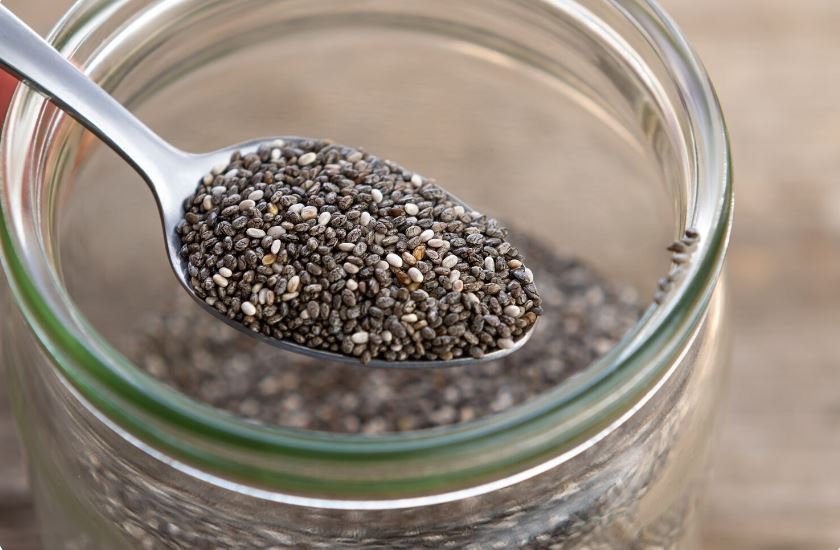
It appeared that the Mayans and Aztecs agreed. For centuries, chia seeds have been grown in Central and South America. Warriors and messengers who needed to maintain productivity over long distances instead of sprinting used chia seeds as a travel food. The Mayan word “chia” itself is said to mean “strength,” which is either an amazing coincidence or evidence that ancient societies were aware of slow-release nutrition long before the term was created. Perhaps the contemporary interest in these seeds is more of a rediscovery than a discovery.
It’s difficult to ignore how easily chia seeds have fit into the current wellness culture, which is fixated on finding ways to boost energy without the jitteriness or disturbed sleep that excessive caffeine can cause. Chia seeds provide something genuine for those controlling stimulant sensitivity or attempting to cut back on daily coffee consumption without feeling exhausted. It’s a different kind of support rather than a direct substitute for caffeine. long-term as opposed to abrupt, nutritional as opposed to chemical.
One thing to keep in mind is that chia seeds’ reputation for boosting energy is mostly associated with a wider dietary context. They won’t work miracles if you eat them while dehydrated, skip meals, or run on insufficient sleep. Soaked in liquid and allowed to properly expand before eating, they function best when part of a reasonably well-fed day. Combined with coffee is acceptable and well-liked. Simply understand which ingredient performs what function.
